QUETTA: The Balochistan cabinet, in a significant administrative overhaul, has approved a series of major decisions aimed at restructuring governance, improving service delivery, and implementing social reforms in the province.
The most notable decision was the abolition of the provincial Religious Affairs Department. The cabinet approved the adjustment of the department’s employees to other relevant departments within the provincial government. This move signals a streamlining of provincial administrative structures.
In a parallel effort to enhance governance and bring it closer to the people, the cabinet gave the green light for the establishment of two new administrative divisions: Pishin and Koh-e-Sulaiman. The cabinet also decided to make Ziarat an administrative part of the Loralai division and approved the establishment of the Municipal Committee of Karbala in Pishin district.
Beyond territorial changes, the cabinet focused on policy reforms. It adopted the Evolution Policy of Law Officers to enhance the legal framework and approved amendments to the Grant-in-Aid Policy in the Minority Affairs Department to improve financial support mechanisms.
Significant social and educational reforms were also on the agenda. The cabinet moved to formally abolish child labor in the province. To strengthen the education sector, it declared higher technical education a compulsory service and ordered the verification of educational credentials of all contract teachers to ensure standards and transparency.
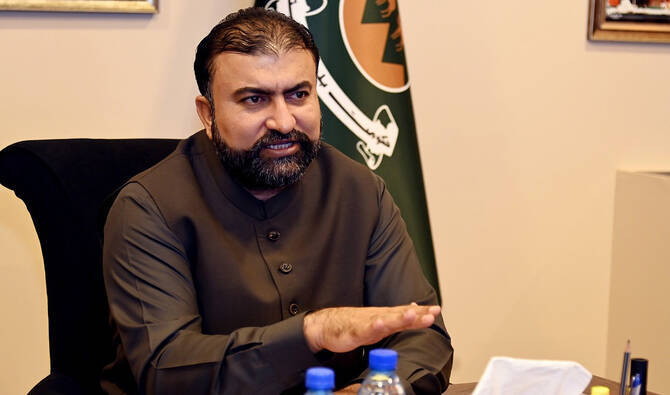
The sweeping decisions, taken in a single cabinet session chaired by Chief Minister Mir Sarfraz Bugti, represent a comprehensive attempt to modernize the province’s administrative apparatus, address long-standing governance challenges, and prioritize key social and educational reforms. The abolition of a full department and creation of new divisions mark a historic shift in Balochistan’s provincial structure, while the accompanying policies aim to directly impact citizen welfare and institutional integrity.