PESHAWAR: Slow Progress in Khyber Pakhtunkhwa over Repatriation of Illegal Afghan Nationals Raises Serious Concerns
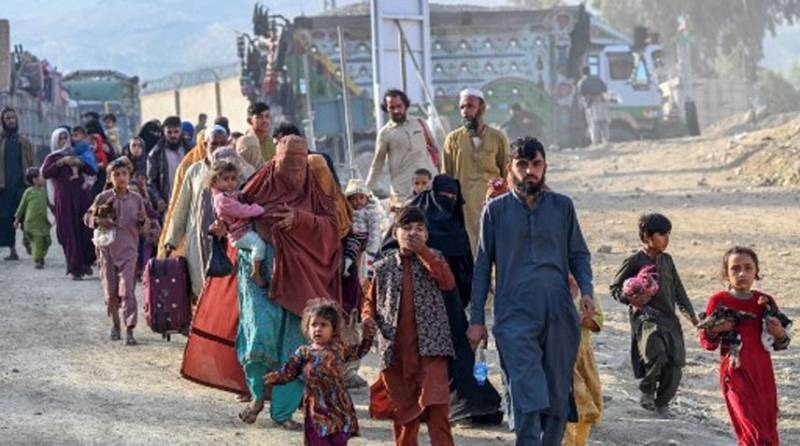
The Federal Government of Pakistan has launched the Illegal Foreigner Repatriation Plan (IFRP) to facilitate the return of Afghan nationals residing illegally in the country.
This comprehensive strategy is considered essential for safeguarding national security, protecting state resources, and strengthening counter-terrorism efforts.
Under this plan, the federal authorities issued a clear, phased roadmap and began the systematic de-notification of Afghan refugee camps across the country.
Following the implementation of Phase 3, a total of 54 Afghan refugee camps were officially declared inactive.
These included 43 camps in Khyber Pakhtunkhwa, 10 in Balochistan, and one in Punjab.
The de-notification process for all these camps was completed on September 25, October 13, and October 15, 2025.
Punjab and Balochistan acted swiftly on federal directives and demonstrated tangible progress.
Punjab successfully vacated the only Afghan camp located in Mianwali, while in Balochistan, the documented return of over 88,000 Afghan nationals is underway and is expected to be completed by December.
In contrast, the situation in Khyber Pakhtunkhwa remains extremely alarming. Of the 43 de-notified camps, only two have been fully cleared, while the remaining camps continue to operate.
Despite their de-notified status, these camps are still being provided with electricity, water, healthcare, and other facilities by the provincial government.
This reflects a clear failure of governance and weak enforcement of federal policy.
The continuation of these camps places an added burden on the province’s limited resources and highlights the fragile implementation of law.
More concerning is the existence of verified evidence linking Afghan nationals to terrorist activities within the province.
Despite explicit federal instructions, the Khyber Pakhtunkhwa government has failed to ensure timely and effective execution of the IFRP.
It is imperative that the provincial authorities immediately guarantee decisive, transparent, and full implementation of federal policy.