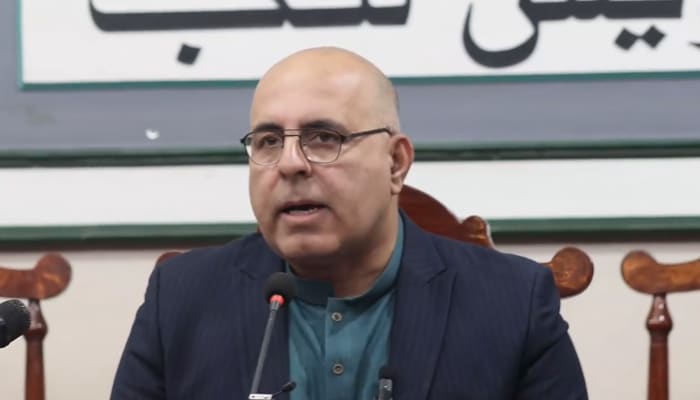
WAZIRSTAN: A wave of relief swept through the friends and family of activist Zafran Wazir on Friday, after he was released from captivity, just hours following his abduction by unknown armed men. However, his release has done little to quell the growing unease over the ideology that led to his kidnapping in the first place.
Mr. Wazir, known for his social media activism, was taken by unidentified terrorists earlier in the day. Sources close to the family revealed that the abduction was directly linked to a video he had shot and posted online. The video featured a seven-year-old girl from Waziristan, Aina Wazir, displaying her impressive bowling action, a clip that had captured the hearts of cricket fans across Pakistan.
According to initial reports, the militants accused Mr. Wazir of “spreading obscenity” by sharing the video of the young cricketer. The accusation sent shockwaves through the community, highlighting the extreme interpretation of social conduct prevailing in the region.
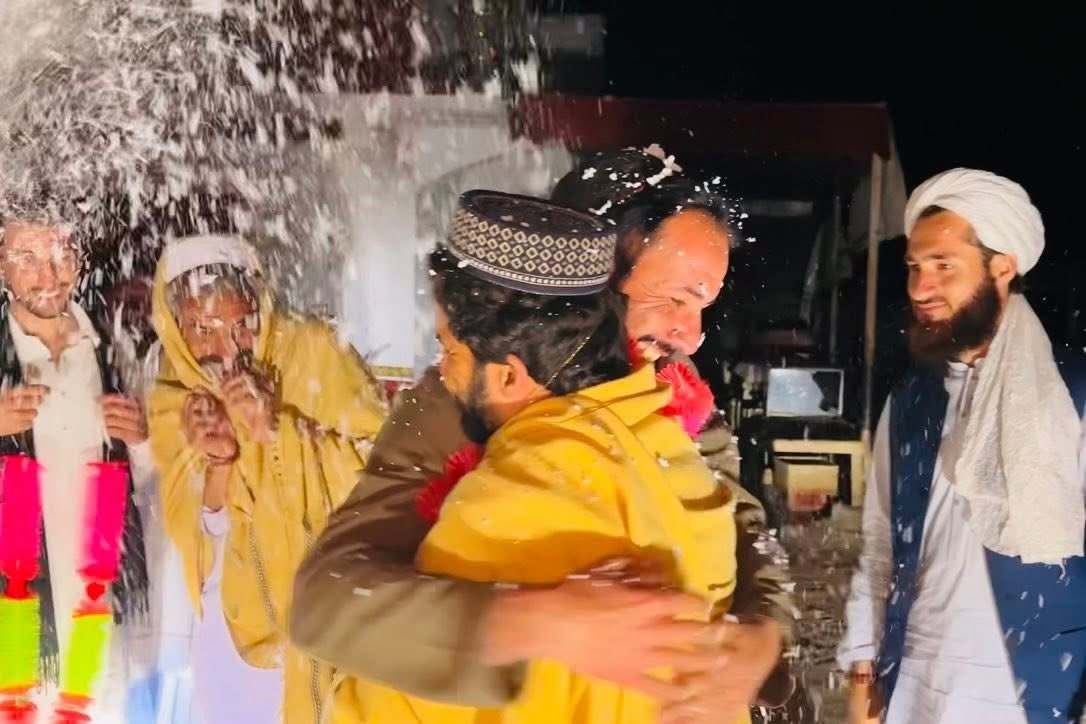
After several tense hours, Mr. Wazir was finally released from the custody of known militants late in the evening. The news of his safe recovery sparked immediate celebrations among his relatives and well-wishers, who gathered to garland him and welcome him back. The emotional scenes of his homecoming stood in stark contrast to the fear that had gripped them just hours prior.
Yet, amidst the celebrations, a grim question hangs heavy in the air: Is sharing the happiness and talent of a young girl now considered a crime in the unofficial courts of the Taliban?
The irony of the situation is profound. It was precisely this video, filmed by Zafran Wazir, that brought national recognition to the young athlete. Following the video’s viral success, the franchise owner of Peshawar Zalmi in the Pakistan Super League (PSL) was so impressed that he publicly announced plans to include Aina Wazir in the Zalmi Women’s League, offering her a platform to pursue her cricketing dreams.
What was celebrated as a heartwarming story of talent emerging from a conflict-ridden area, and a step forward for girls’ sports, was apparently viewed as a crime by the abductors. While Zafran Wazir is physically safe, his ordeal serves as a chilling reminder of the precariousness of life under the shadow of militant ideology, where a simple act of celebrating a child’s talent can lead to an abduction, and where the path to a girl’s recognition is fraught with peril.