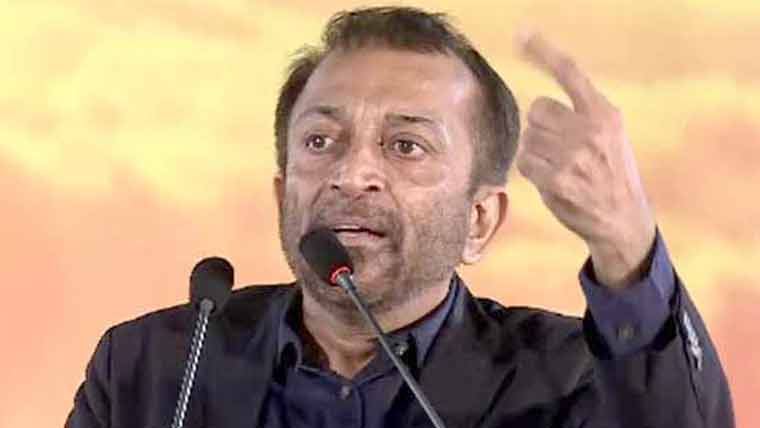
KARACHI: Muttahida Qaumi Movement-Pakistan (MQM-P) leader Farooq Sattar has said that the creation of new administrative units in Pakistan has become inevitable, arguing that administrative restructuring is necessary to address longstanding governance and public-service challenges.
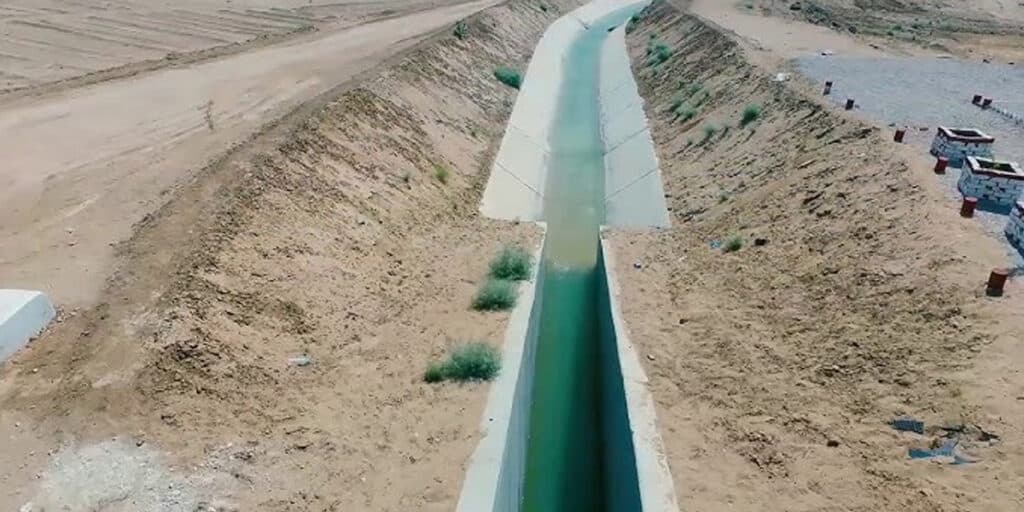
Speaking at a rally, Sattar said people in Sindh continued to face difficulties in accessing basic facilities, including clean drinking water. He also said citizens had been waiting for an empowered local-government system for years.
Sattar said the demand for new administrative units was gaining attention beyond MQM-P, with the issue increasingly being discussed at the national political level. He argued that when existing governance structures fail to adequately respond to public needs, greater devolution of authority becomes necessary.
The MQM-P leader said the rally was aimed at highlighting the rights and problems of people who, according to him, remained deprived of basic services. He maintained that new administrative units would eventually be established and said preparations were underway among supporters for managing such structures.
The demand comes as MQM-P has intensified its campaign for administrative restructuring. The party recently announced a major rally in Karachi as part of its campaign for new administrative units, arguing that smaller administrative structures could bring decision-making closer to citizens.
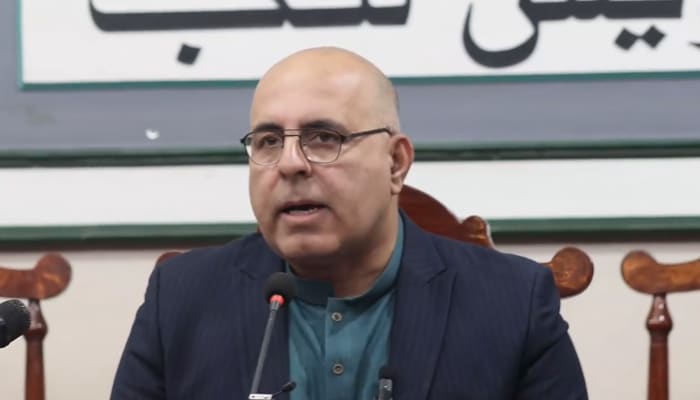
Federal Health Minister and MQM-P leader Mustafa Kamal has also strongly backed the proposal. He has said that the demand for new administrative units is not directed against any particular language or community but is intended to improve administration and public service delivery.
Kamal has argued that restructuring could improve healthcare, education and other essential services by bringing administrative authority closer to local communities. He has also rejected suggestions that the creation of new administrative units would necessarily lead to violence, saying MQM-P presents the proposal as an effort to strengthen Pakistan rather than divide it.
The issue has generated strong political debate in Sindh. The Sindh Assembly recently passed a resolution rejecting proposals to divide the province or alter its territorial boundaries.
The Sindh government has also criticised calls for new provinces and administrative restructuring, maintaining that Sindh’s unity should not be compromised.
MQM-P, however, has maintained that its proposal is focused on administrative efficiency, devolution of powers and improved public services rather than ethnic or linguistic division.
The discussion comes amid a broader national debate over whether Pakistan’s existing administrative structure can effectively manage population growth, urbanisation and increasing demands for public services.
MQM-P leaders say smaller administrative units could facilitate development and improve access to government services, while opponents have raised concerns about the political and constitutional implications of restructuring Sindh.
Also Read: Pakistan Needs Administrative Restructuring, Says Mustafa Kamal
The debate is therefore expected to remain a significant political issue as MQM-P continues its public campaign for new administrative units.