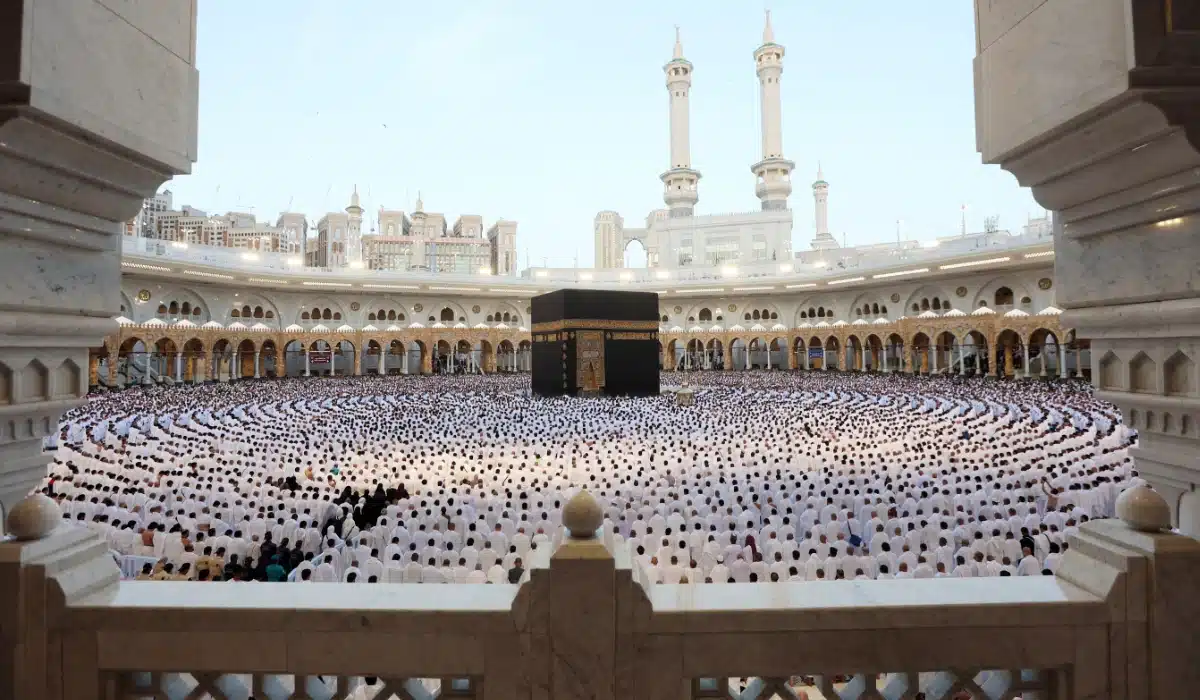

RIYADH: Digital transformation projects at the Grand Mosque are rapidly changing the way services are delivered, with authorities working toward the goal of making the site one of the world’s smartest destinations by 2030, according to the Saudi Press Agency (SPA).
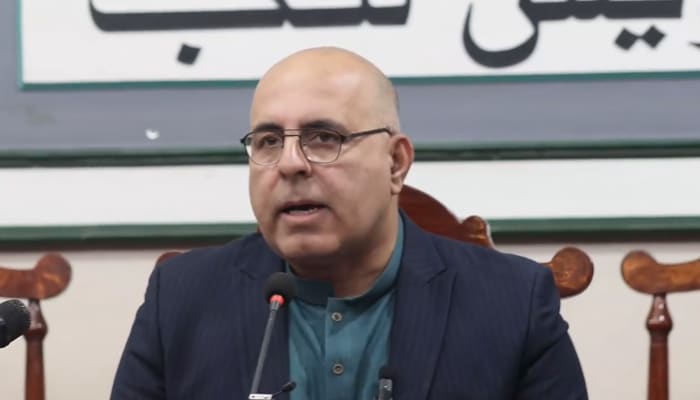
Dr. Mohammed Al-Saqr, deputy CEO for Digital Transformation at the General Authority for the Care of the Affairs of the Grand Mosque and the Prophet’s Mosque, said new technology has significantly improved transportation services for pilgrims.
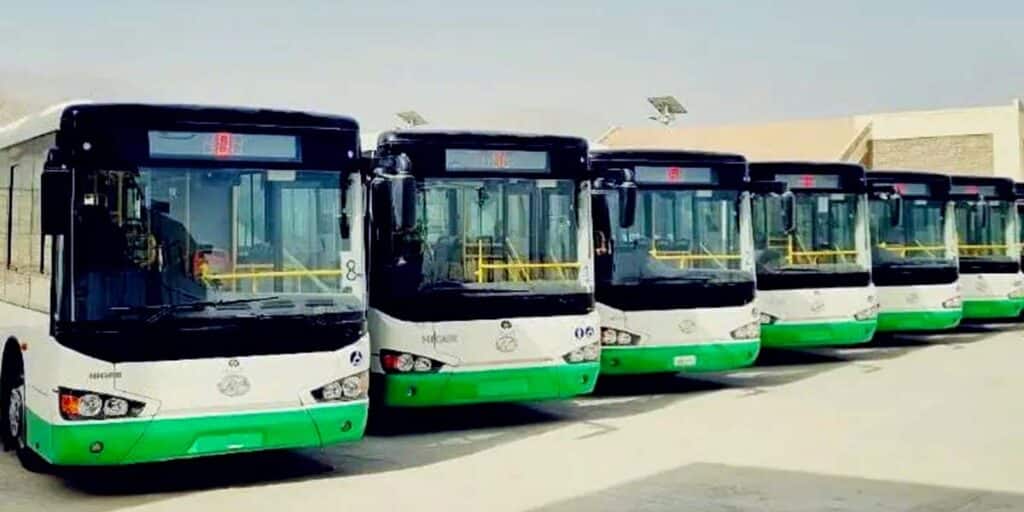
The authority’s smart mobility platform has automated transit operations while bringing booking and payment functions together electronically. These measures have substantially reduced waiting times. During the latest Hajj season, pilgrims waited approximately nine minutes, compared with nearly two hours around three years earlier.
Technology has also been introduced into the management of iftar meals at the Grand Mosque. The system oversees the distribution of more than 38 million meals, with the total value of related transactions approaching SR500 million.
According to Al-Saqr, automation and coordination with the national Ehsan charity platform have helped make administrative procedures considerably faster. With additional monitoring by third parties, the time required for administrative clearance has fallen from around eight days to approximately eight minutes.
Another major digital initiative is the “Rafed” platform, which links 18 government agencies to coordinate responses to reports originating from the site.
Also Read: Saudi Arabia replaces Holy Kaaba’s Kiswa at start of Islamic New Year
The authority has also implemented an interactive digital mapping system designed to manage field-related cases more efficiently. The system deals with around 600,000 cases each year.
Those cases represent nearly 10 percent of the Grand Mosque’s approximately six million annual visitors, highlighting the scale of the services being managed through digital technology.
The authority is continuing to expand the use of smart systems across both the Grand Mosque and the Prophet’s Mosque. The initiatives are aimed at improving operational efficiency and making services more accessible for the millions of visitors who use the two holy sites each year.
The ongoing digital expansion forms part of the broader objective of establishing the Grand Mosque as a leading smart site by 2030.