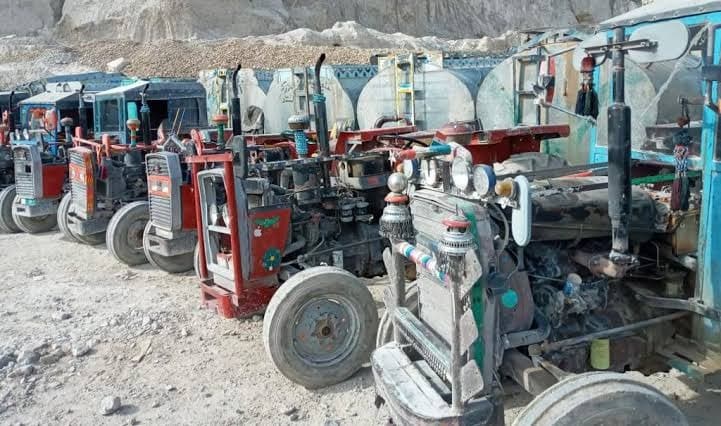
QUETTA: Quetta police launched a crackdown against underage drivers, unlicensed operators, and traffic violations involving water tankers, which prompted the Water Tanker Association to stage a protest and block the roads at Gwalmandi Chowk.
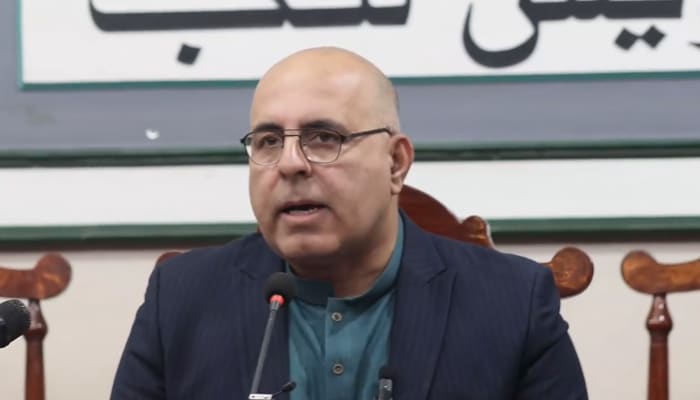
According to police, protesters led by association president Najeeb Tareen closed Gwalmandi Chowk from all sides, disrupted traffic flow, chanted slogans against the police, and interfered in official state duties.
In response, Quetta police took swift action, arresting 12 individuals including Najeeb Tareen, while several others managed to escape from the scene.
The recent arrest of the Water Tanker Association president alongside multiple members in Quetta highlights a deeply rooted tension between transport unions and local municipal authorities.
At the heart of these ongoing reservations is the commercial sector’s operational model, which relies heavily on private bowsers to supply water to neighborhoods lacking municipal pipelines.
Association representatives have frequently voiced concerns over what they perceive as targeted enforcement, rigid regulatory demands, and sudden crackdowns that disrupt essential urban water distribution.
From the administration’s perspective, stringent actions against underage drivers, unlicensed operators, and severe traffic violations are vital for public safety, especially given the reckless operation of heavy water carriers on congested city roads.
However, tanker operators argue that bureaucratic hurdles, complicated licensing procedures, and a lack of formal infrastructure support create unfair barriers to their daily livelihoods.
Furthermore, because Quetta faces severe groundwater depletion and chronic municipal water shortages, the city’s residents remain heavily dependent on these private tankers for daily survival.
When transport unions face punitive measures or choose to strike in response, the immediate collateral damage falls on ordinary citizens who experience severe supply disruptions.
Resolving these recurring standoffs requires a balanced administrative approach.
Authorities must enforce traffic safety and environmental standards without compromising the fragile water supply chain, while association leadership needs to ensure strict adherence to legal operating standards and driver accountability to prevent future civil unrest.