
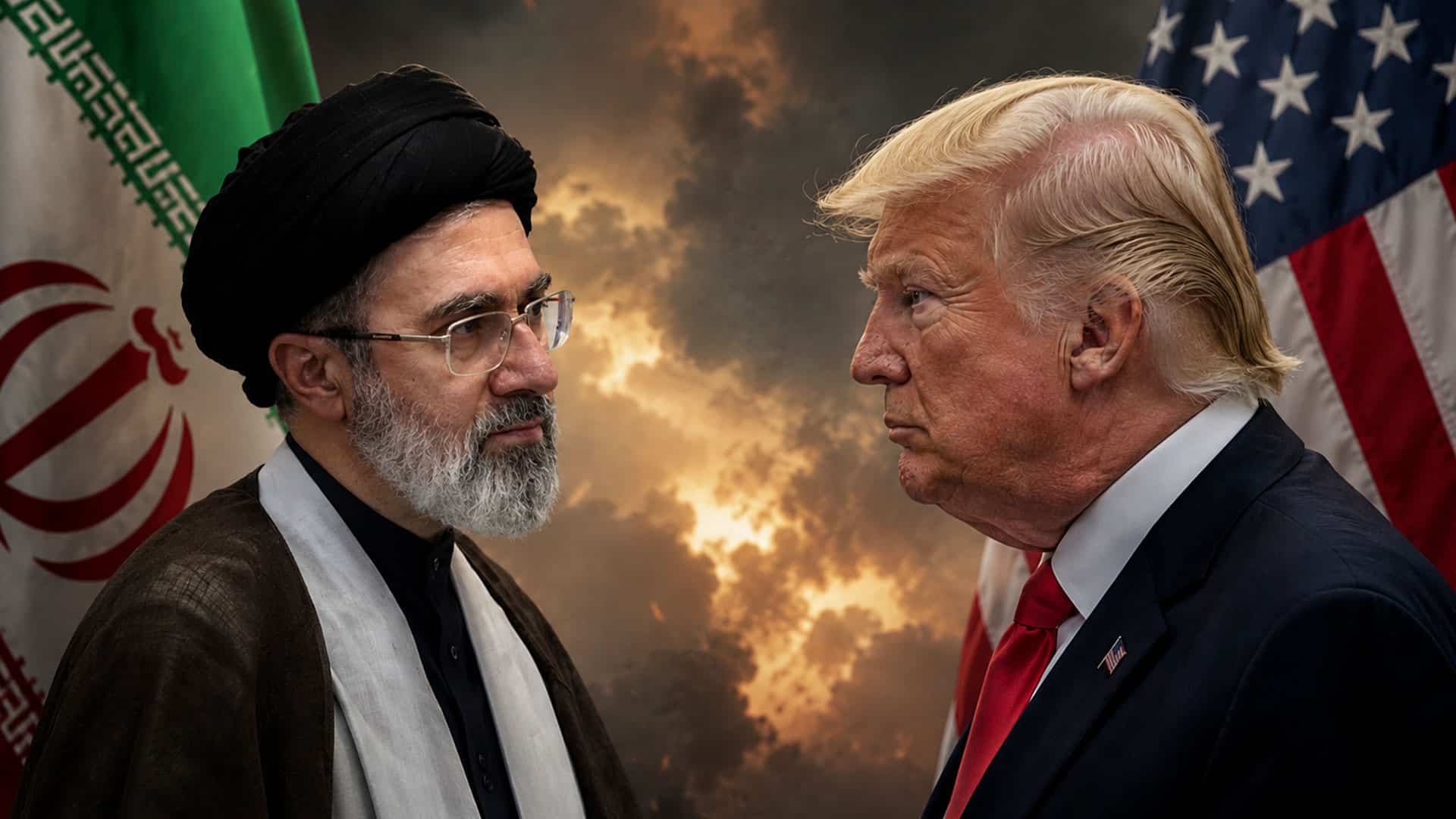
TEHRAN: Senior advisor to Iran’s Supreme Leader has declared that the United States can break the longstanding nuclear negotiations deadlock with a single financial gesture: restoring all of Iran’s frozen assets.
Mohsen Rezaei, who advises Supreme Leader Mojtaba Khamenei, said in an interview that $24 billion – the sum he described as Iran’s blocked funds – is a modest price for Washington to pay to secure an agreement.
“This is Iran’s money, not America’s,” Rezaei stated, emphasizing that the amount is negligible compared to the cost of continued confrontation.
Rezaei urged US policymakers to recognize a straightforward calculus: the financial and military expenditure required to reach a diplomatic settlement is far lower than the cost of sustained hostilities.
“The amount needed to reach an agreement with Iran is much less than the amount needed to fight it,” he warned.
Escalation Threat Across Strategic Waters
In a sharp escalation of rhetorical warnings, Rezaei laid out a dark scenario if the current “war and blockade” persist. He said Iran would be compelled to expand the conflict far beyond its borders.
“If the war and blockade continue, Iran will take the war to the Indian Ocean, the Red Sea, the Bab al-Mandab and the Mediterranean,” Rezaei said, naming some of the world’s most critical maritime chokepoints for energy and trade.
The statement signals a potential shift in Iran’s strategic posture, threatening to disrupt shipping lanes that connect Europe, Asia, and the Middle East.
No Trump-Khamenei Summit
Rezaei also firmly dismissed any prospect of a face-to-face meeting between former US President Donald Trump and Iran’s Supreme Leader. Ruling out the possibility outright, he poured cold water on speculation that direct talks between the two figures could materialize.
The remarks come as indirect negotiations between Tehran and Washington have repeatedly stalled, with Iran demanding full relief from sanctions and unfettered access to its frozen assets abroad. Western powers have sought stricter assurances on Iran’s nuclear program and regional activities.
Rezaei’s comments suggest Tehran is hardening its position, coupling financial demands with explicit military threats while rejecting high-level diplomatic engagement with Trump.



