KARACHI: Pakistan’s Minister for Maritime Affairs, Junaid Anwar Chaudhry emphasized the strategic importance of Gwadar Port as a regional transshipment hub as key shipping routes in the Gulf face disruption.
The remarks came amid tensions linked to the ongoing conflict involving Iran, the United States and Israel, which have affected maritime activity in the region, particularly around the vital Strait of Hormuz.
During a high-level meeting chaired by the minister in Karachi, officials reviewed logistical challenges facing Pakistan’s trade, especially in the energy sector, due to disruptions in Gulf shipping routes.
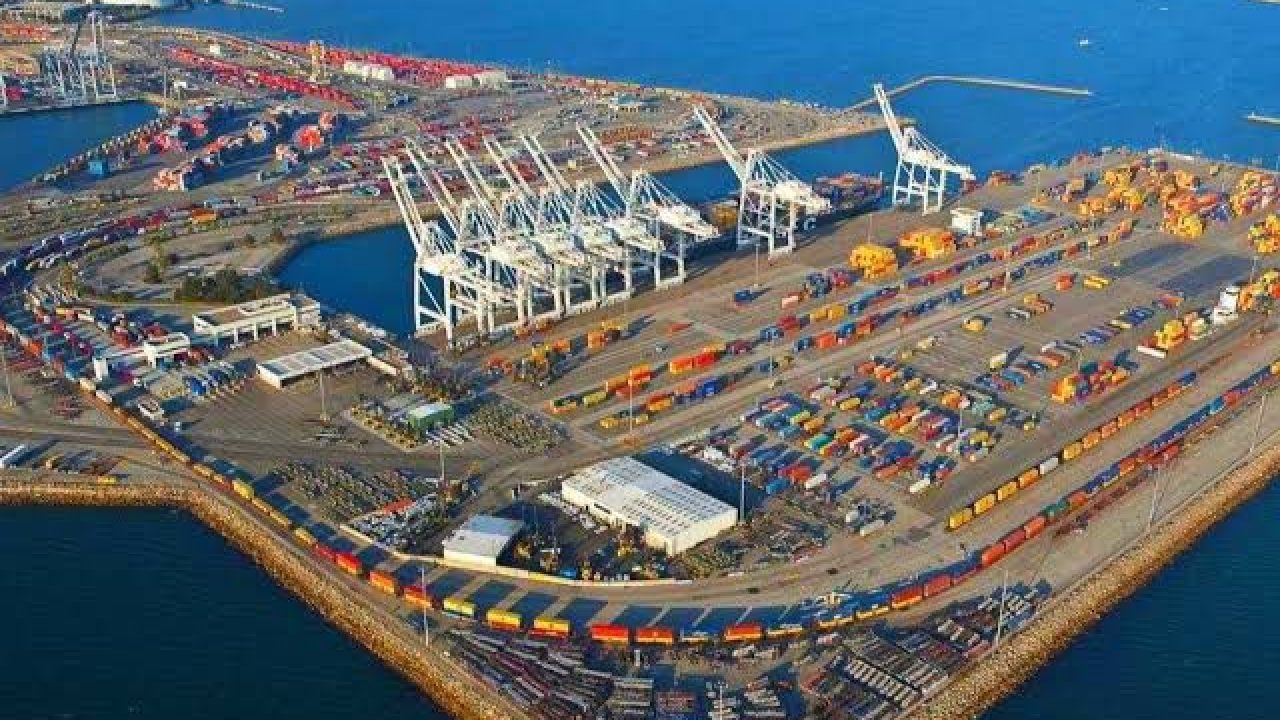
The ministry said particular attention was given to maximizing the potential of Gwadar Port and positioning it as an alternative transshipment destination during periods of regional instability.
Officials noted that Pakistan’s ports possess significant untapped capacity to attract international shipping lines for container transshipment, bulk cargo handling and refueling services.
Participants discussed measures aimed at strengthening Pakistan’s position as a reliable transit and transshipment hub as major waterways face operational disruptions. Proposals were also reviewed to amend regulations in order to facilitate international transshipment operations through both on-dock and off-dock terminals.
Representatives from the Port Qasim Authority, Karachi Port Trust and Gwadar Port Authority attended the meeting. They briefed participants on the operational readiness and available capacity at their respective ports.
Gwadar Port, located in Pakistan’s southwestern Balochistan province near the Strait of Hormuz, is considered a key component of the China-Pakistan Economic Corridor, a major infrastructure initiative backed by China.
Also Read: Govt Moves to Speed Up Power Projects in Gwadar: Ahsan Iqbal
Pakistani officials have long viewed the deep-sea port as a strategic asset capable of expanding trade with Central Asian states and Gulf countries while generating valuable foreign exchange for the national economy.