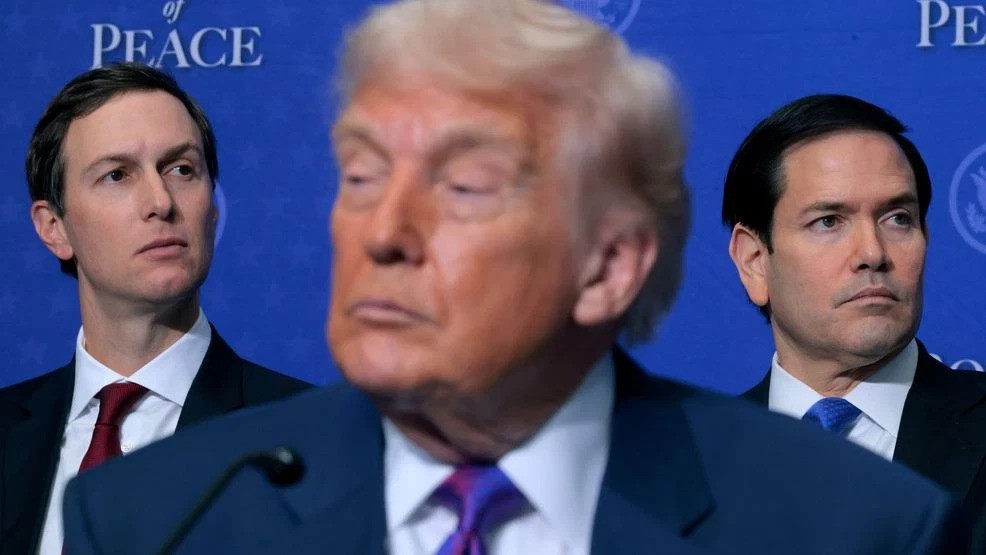
WASHINGTON: The United States President Donald Trump has issued a clear 10 to 15-day deadline to Iran, demanding that Tehran return to negotiations or face what he described as a “major military response.”
The announcement has sent ripples through diplomatic and defense circles, raising urgent questions about whether the region is heading toward renewed talks or a potentially destabilizing conflict.
Trump warned that failure by Iran to engage in negotiations within the stipulated timeframe would leave the United States with no option but to consider significant military action.
In this regard, in Europe, US Air Force units have reportedly begun repositioning assets closer to potential operational zones. Increased activity has been observed at an American airbase located on an island in Portugal, where fighter jets and support aircraft are said to have assumed strategic readiness.
Meanwhile, a report by The New York Times cautioned that any direct American strike on Iran could produce unpredictable consequences. The publication warned that even a limited military action might ignite broader instability across the Middle East, a region already grappling with fragile security dynamics.
The broader strategy may involve increasing political pressure on Tehran—potentially aimed at influencing internal power structures. However, these interpretations remain speculative.
Iran has not yet issued an official response to the latest developments. In previous statements, however, Iranian officials have made it clear that any military action against the country would be met with what they described as a firm and decisive response.