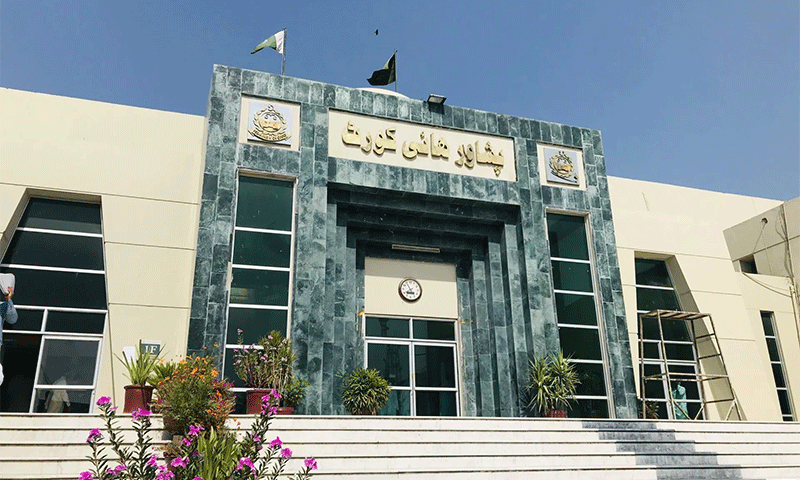
PESHAWAR: The Peshawar High Court on Monday expressed strong displeasure over road blockages caused by ongoing PTI protests.
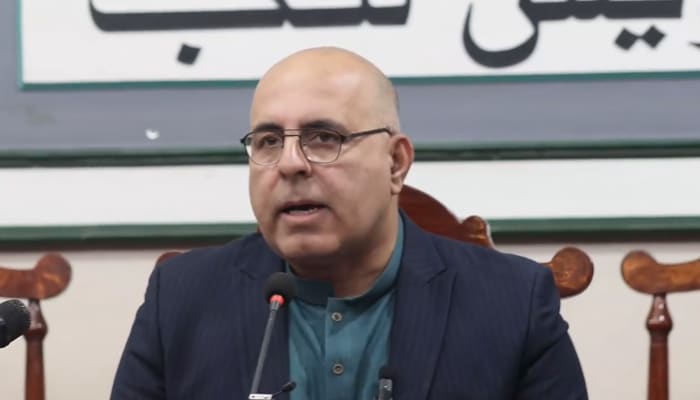
The hearing followed a petition filed by Awami National Party Leader and lawyer Tariq Afghan, challenging the closure of roads. Justices Ijaz Anwar and Farah Jamshed heard the plea.
During the hearing, the court summoned the Chief Secretary and Khyber Pakhtunkhwa Inspector General of Police in their personal capacities. The IG appeared before the court and assured that roads would be reopened immediately.
The bench ordered provincial officials to submit a compliance report by Tuesday.
During proceedings, the petitioner’s lawyer demanded legal action against those responsible for the blockages. Justice Ijaz Anwar asked the Advocate General to provide details on how many individuals had faced legal proceedings. The Advocate General requested time to compile the data.
Justice Anwar noted that the petition alleged roads were blocked over PTI founder’s medical treatment. The Advocate General clarified that he was not representing any political party.
The court expressed concern for public safety, saying citizens were facing severe hardships and lives were at risk.
Also Read: Woman Dies After PTI Protesters Block Ambulance at Swabi Interchange
The hearing was adjourned until later, with orders for the Chief Secretary and IG of Police to appear in person.
It is pertinent to mention here that multiple petitions were filed in the Peshawar High Court on Sunday seeking the reopening of key roads in Khyber Pakhtunkhwa.
The petitions were submitted by ANP leader Tariq Afghan and PML-N provincial assembly member Saubiya Shahid.
The filings claimed that Pakistan Tehreek-e-Insaf (PTI) had blocked motorways, highways, and other major roads, causing severe hardship for citizens.
Petitioners urged the court to take immediate action to restore public access and ensure free movement across the province.