ISLAMABAD: The new political controversy has surfaced within Pakistan Tehreek-e-Insaf (PTI) after a senior party leader from Khyber Pakhtunkhwa announced his decision to part ways with the party’s parliamentary setup, triggering intense discussion in political circles.
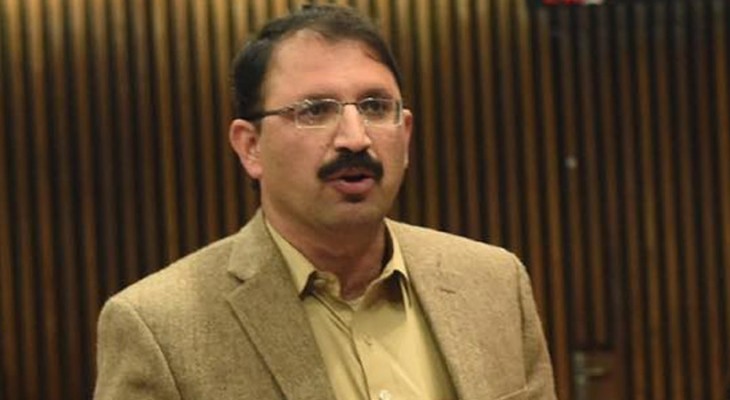
In this sense, President of PTI Khyber Pakhtunkhwa and a Member of the National Assembly, has declared that he will vacate his party seat and sit independently in the National Assembly. The announcement follows the emergence of an alleged audio recording that has rapidly gained attention among lawmakers and observers.
The leaked audio captures Junaid Akbar expressing deep frustration over what he describes as repeated restrictions on his ability to speak during parliamentary proceedings. He is heard voicing anger over internal party decisions, claiming that only a few selected members are regularly allowed to address the House.
The alleged audio further suggests that Akbar rejected the authority of the parliamentary committee, the chief whip, and even the parliamentary leader. He stated that he no longer considers himself part of the parliamentary party and warned that he would formally approach the Speaker to request recognition as an independent member.
Akbar complained that his patience had run out after months of what he perceived as deliberate sidelining. He allegedly questioned the role of the chief whip in determining who may speak in the assembly and criticized what he termed a “court-style culture” within the party ranks.
In the audio, Akbar is also heard alleging that party discipline was being misused and that certain lawmakers repeatedly dominated debates, while others were expected to remain silent. He expressed resentment over sensitive national issues not being raised freely in the House.
The development has raised fresh questions about internal unity within the party, particularly at a time of heightened political pressure.