OMAN: Iran signaled a cautious but firm stance on its national security and nuclear program as it concluded indirect talks with the United States, raising questions about the future of US-Iran relations in a region already on edge.
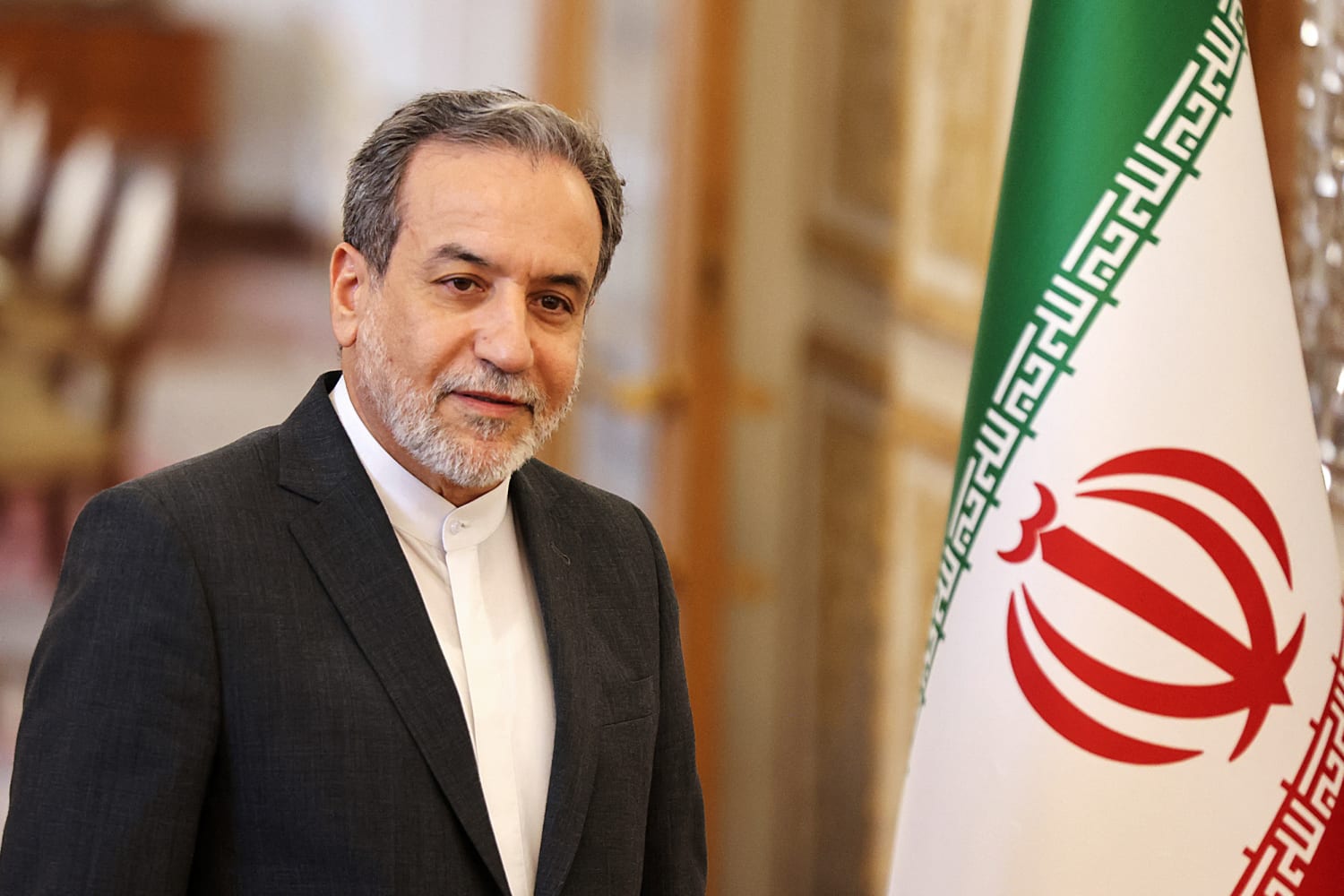
In this regard, Iranian Foreign Minister Abbas Araghchi, in an interview with Al Jazeera, focused on that Tehran’s missile program remains “never negotiable,” describing it as a core defense issue. He warned that any US attack on Iranian territory would prompt retaliatory strikes on American bases in the region, signaling heightened tensions despite diplomatic efforts.
In this sense, Araghchi described the Muscat discussions as a “good start,” noting that an opportunity to meet and shake hands with the American delegation emerged a rare and symbolic gesture given the history of hostility between the two nations.
He stressed that while trust-building will take time, negotiations are expected to resume “soon.” US President Donald Trump described the talks as “very good” and indicated plans for another round of negotiations next week.
Furthermore, yet, contrasting signals emerged as the White House simultaneously issued new sanctions targeting Iranian shipping and oil exports, alongside tariffs on countries continuing trade with Tehran. Araghchi reasserted Iran’s commitment to nuclear enrichment, calling it an “inalienable right” and a subject only to be resolved through negotiations.
He also rejected efforts to link missile programs or regional influence to the nuclear talks, underlining Tehran’s insistence on keeping negotiations narrowly focused.
Meanwhile, Friday’s encounter indicated the first direct interaction since last year’s collapse of nuclear discussions, following Israel’s unprecedented bombing campaign that triggered a 12-day conflict involving US strikes on Iranian nuclear sites.
The meeting in Oman, led by Trump’s Middle East envoy Steve Witkoff and senior advisor Jared Kushner, occurred amid a notable US military buildup in the region, adding urgency to the discussions.
Araghchi criticized what he called a “doctrine of domination” in the region, highlighting Israel’s expanding military capabilities and contrasting it with pressure on other states to disarm indicating Tehran’s ongoing geopolitical grievances.