
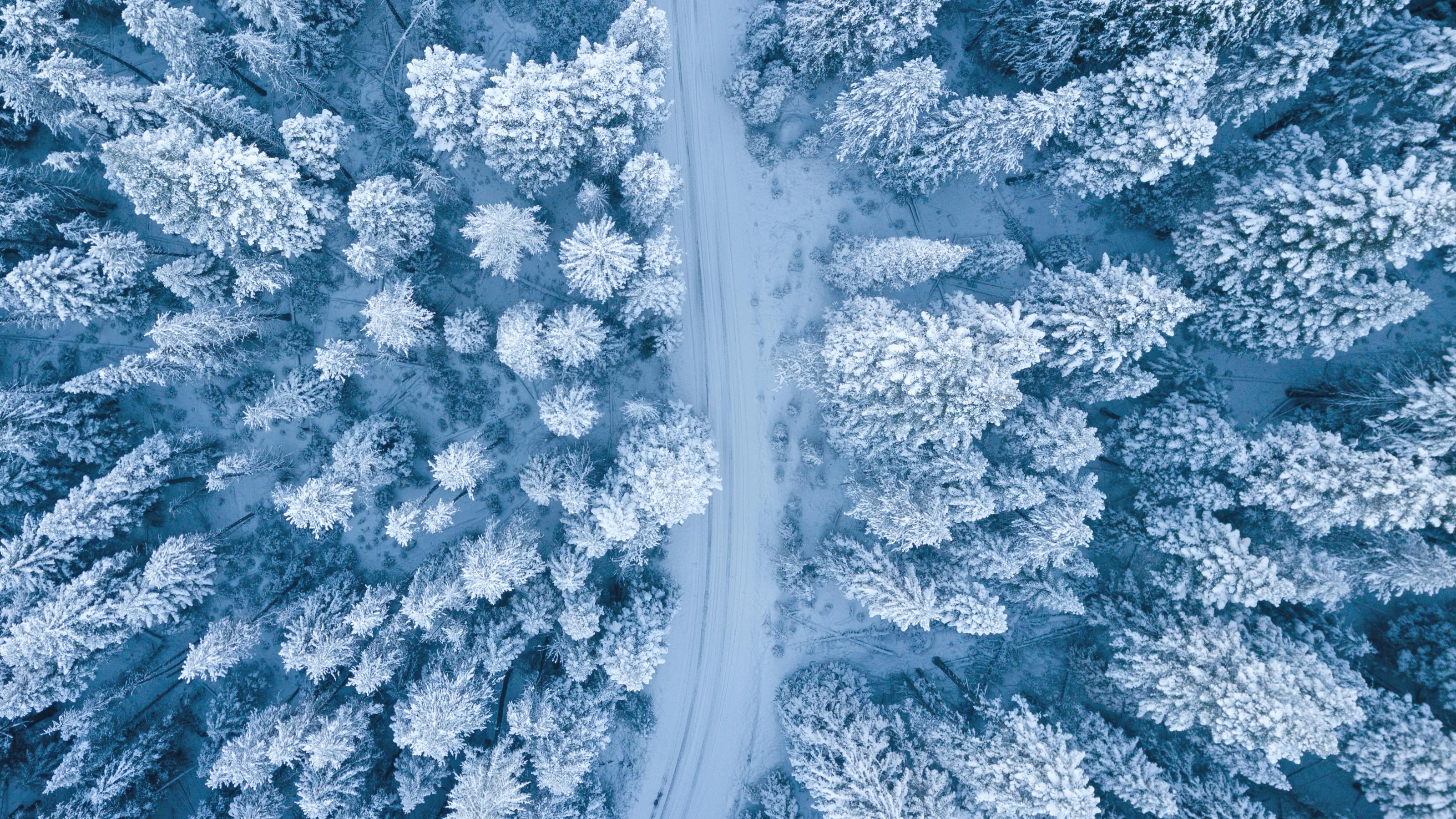
MOSCOW : The Russian capital has been paralyzed by a historic weather event, with this month’s snowfall shattering a record that had stood for more than two centuries. The relentless blizzards in the city of approximately 13 million residents have buried streets under massive drifts, causing severe disruption to daily life.
According to data from Moscow State University’s Meteorological Observatory, the city recorded about 92 millimeters of precipitation—in the form of heavy snow and freezing rain—by January 29. University officials confirmed that “this is the highest [snowfall] in the last 203 years,” making it the snowiest January since 1821. “January was a cold and unusually snowy month in Moscow,” a university statement read.
The fallout from the record-breaking precipitation has been extensive. Key central roads have become clogged with enormous piles of snow, creating significant difficulties for citizens and crippling the city’s transportation network. Commuter trains running around the capital faced major delays, while roads were gridlocked with vehicles stuck in kilometers-long traffic jams.
The crisis in Moscow follows another extreme weather emergency in eastern Russia earlier this month, where a severe snowstorm prompted authorities to declare a state of emergency in the Kamchatka region. Viral social media photos from that area depicted an even more dramatic scene, with snowdrifts reaching the second stories of buildings and cars buried completely under the whiteout.
The consecutive extreme weather events have stretched municipal services and underscored the growing challenges posed by volatile winter weather patterns in the region, bringing a significant part of European Russia to a grinding halt.