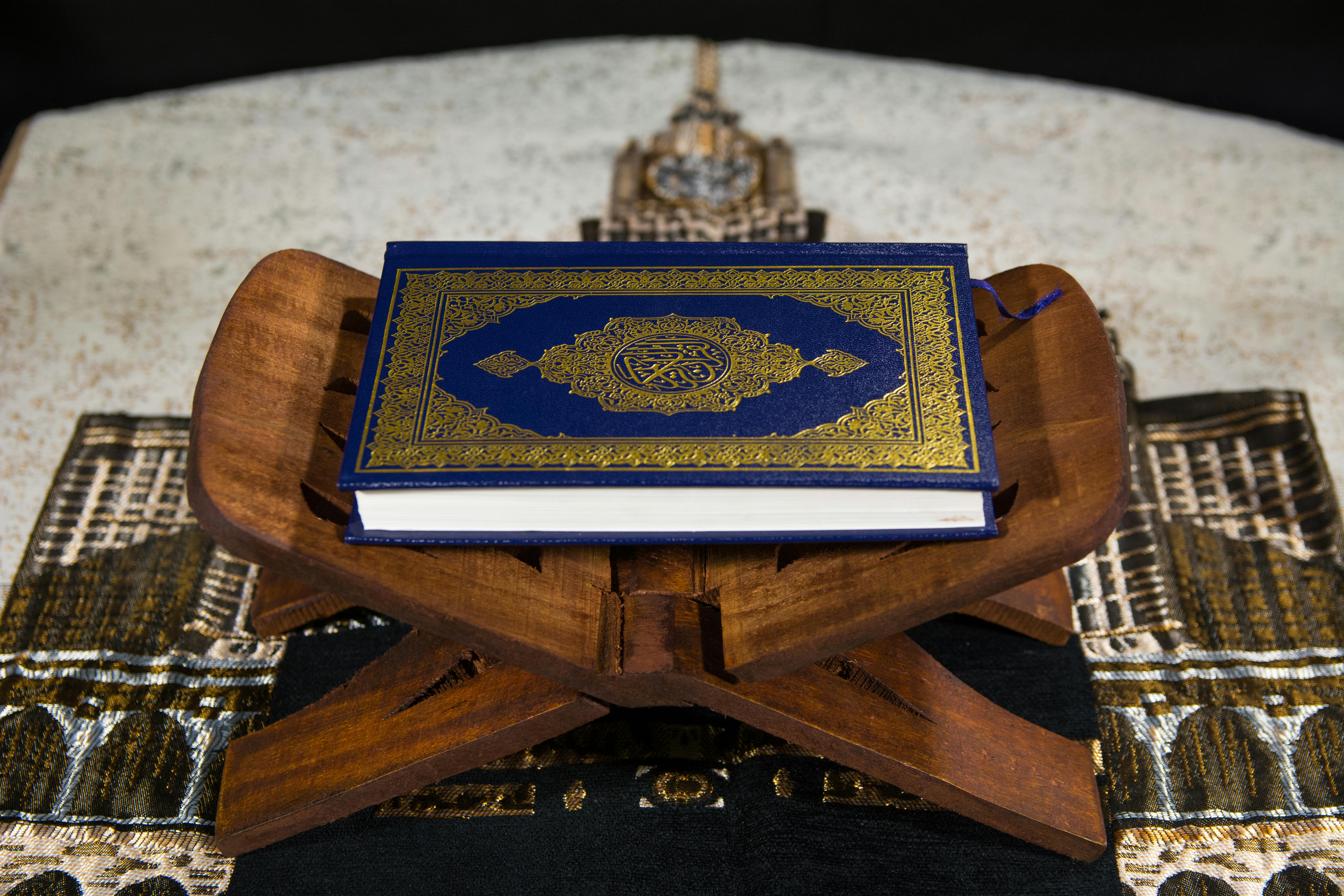
CAIRO: In a significant religious ruling, Egypt’s official Islamic advisory body, the Darul Ifta, has formally prohibited the use of artificial intelligence applications, including platforms like ChatGPT, for interpreting the verses of the Holy Quran. The fatwa (religious edict) declares that relying on such AI tools for this sacred purpose is forbidden under Sharia law.
The ruling was issued in response to a specific query from a member of the public, reflecting growing global questions about the intersection of advanced technology and religious scholarship. The Darul Ifta’s statement, as reported by Arab media, centers on two primary concerns: the preservation of doctrinal integrity and the prevention of misinformation.
Central to the fatwa is the principle that Quranic exegesis (tafsir) is a profound science requiring deep knowledge of Islamic jurisprudence, Arabic linguistics, the circumstances of revelation, and the vast corpus of prophetic traditions. The Darul Ifta argued that AI algorithms, which operate on statistical patterns and ingested data, lack the necessary spiritual insight, scholarly rigor, and lived faith essential for accurate interpretation. Relying on them, the body stated, risks severing the essential human chain of knowledge transmission from qualified scholars.
Furthermore, the institution warned of the tangible danger of spreading misleading or incorrect explanations. Without being anchored to authenticated, centuries-old classical commentaries and the oversight of established religious institutions, AI-generated interpretations could foster serious misunderstandings, potentially fracturing communal consensus and leading individuals astray.
“For interpreting the verses of the Holy Quran,” the ruling emphasized, “one must refer to authentic interpretations, reliable interpreters, and trusted religious institutions.” This directive reinforces the authority of traditional scholarly bodies in an age of readily accessible, but often unvetted, digital information.
The ban specifically names contemporary AI applications, highlighting the widespread popularity of tools like ChatGPT. This places the Egyptian fatwa at the forefront of a global theological debate on the limits of AI in matters of faith. While some may advocate for using AI as a supplementary educational tool, the Darul Ifta’s stance is one of caution, drawing a clear line against its use for deriving religious meaning.