ISLAMABAD: The federal government has once again signaled openness to political dialogue with Pakistan Tehreek-e-Insaf (PTI), but with clear conditions that could redefine the direction of any future negotiations.
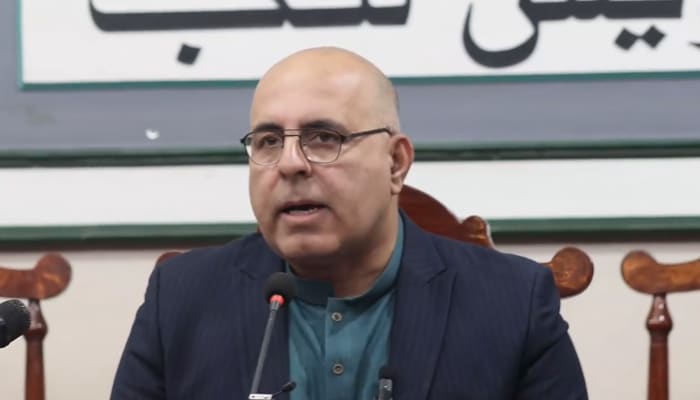
In this regard, Special Assistant to the Prime Minister and Pakistan Muslim League-N (PML-N) leader Ikhtiar Wali Khan said that if talks are initiated, they will only be held with PTI’s senior and “soft-line” leadership.
He specifically named Shah Mahmood Qureshi and other senior figures as potential interlocutors, making it clear that negotiations would not involve what he described as confrontational elements within the party.
In this sense, the dialogue can only begin when PTI’s senior leadership is willing to listen internally and demonstrate seriousness. “If the voices of senior leaders are heard within PTI, negotiations will automatically move forward,” he said, adding that any talks would remain limited to experienced and moderate figures.
The PML-N leader claimed that PTI is currently deeply divided over the issue of negotiations. He argued that one faction opposes dialogue altogether and has instead announced resistance and street protests, a strategy he questioned both politically and practically.
He also dismissed the authority of PTI Chairman Barrister Gohar, calling his position merely symbolic.
Ikhtiar Wali Khan further alleged that PTI is facing internal confusion and political paralysis due to its conflicting strategies. He criticized the party’s protest plans, remarking that resistance politics would not achieve the release of its founding leader and that such expectations were unrealistic.
In such a case, Ikhtiar Wali Khan downplayed their impact, stating that no significant developments were expected nationwide.
He suggested that any activity would likely be limited to Khyber Pakhtunkhwa, where PTI holds power, warning that closures of educational institutions and offices would only increase public hardship.
The government adviser also raised serious questions about governance in Khyber Pakhtunkhwa, accusing the provincial administration of misusing public funds and failing to deliver basic governance. He contrasted current circumstances with past protest movements, claiming that previous sit-ins were well-funded and unified, while today’s opposition lacks both resources and cohesion.
However, while the government’s position appears firm, key questions remain unanswered.