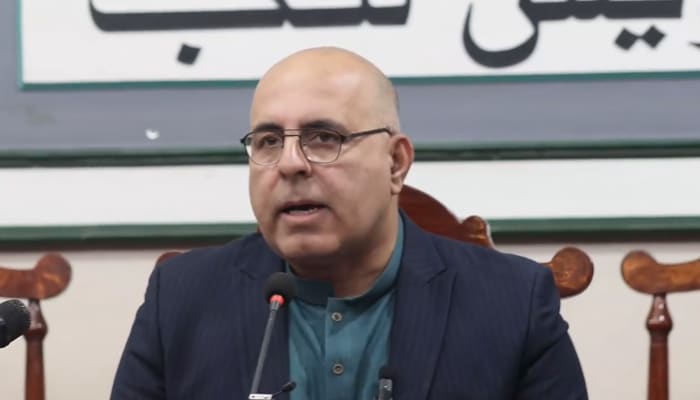
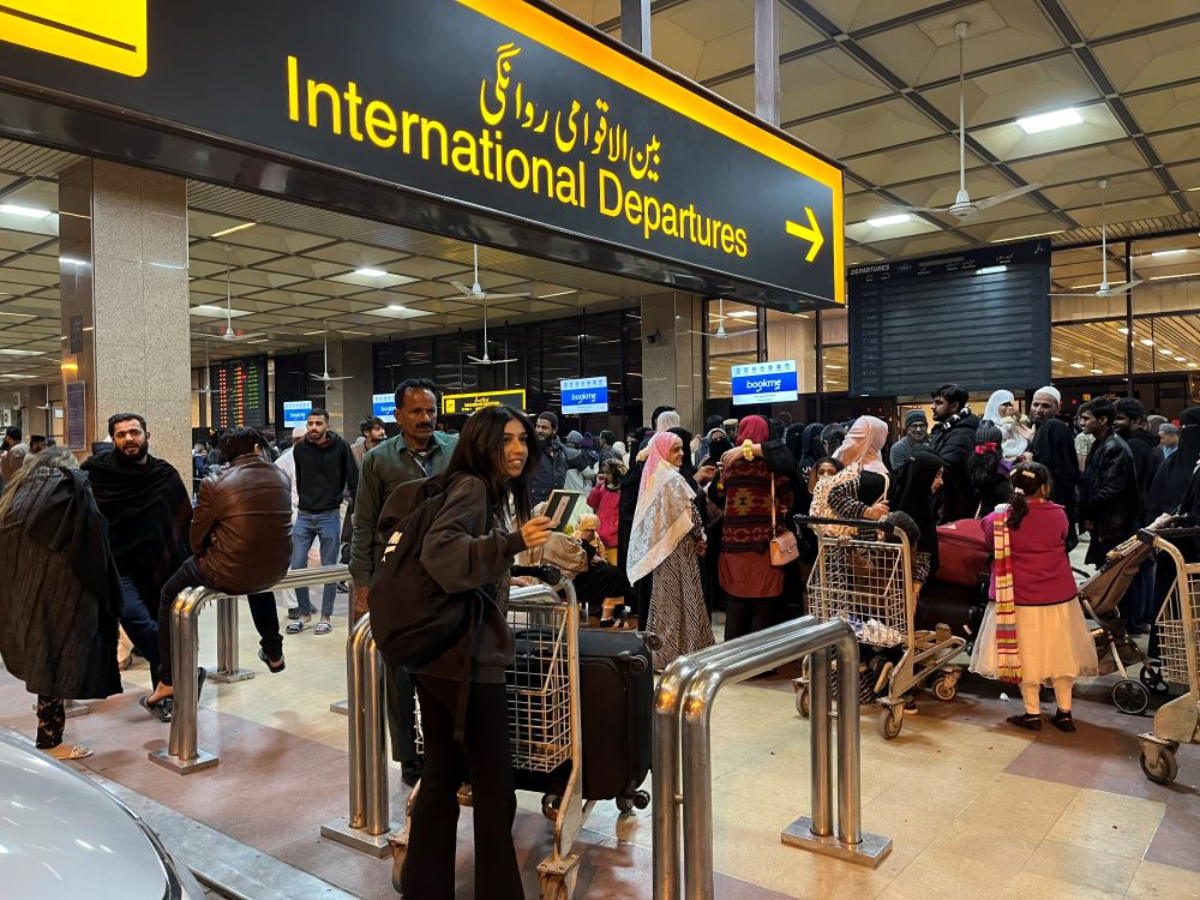
KARACHI: The series of understated statements by a federal minister this week may signal one of the most consequential labour policy shifts Pakistan has seen in years though much of it is unfolding quietly, away from public attention.
In this regard, Minister for Overseas Pakistanis and Human Resource Development Chaudhry Salik Hussain revealed that the government is targeting overseas employment for 800,000 Pakistanis this year, surpassing last year’s figure of 740,000.
The number itself is significant, officials suggest it is only part of a broader transformation now taking shape. The minister pointed to rising demand for Pakistani workers in Gulf Cooperation Council (GCC) countries and beyond, hinting at new international pathways opening for skilled and semi-skilled labour.
What remained largely unexplained, however, was how Pakistan plans to prepare its workforce for this surge a question answered only partially through references to soft-skills training programmes being developed with Korea and Japan.
In this regard, one announcement, delivered without emphasis, drew particular attention among attendees: the minimum age for women seeking overseas employment has been reduced from 35 to 25 years.
The policy shift could reshape female participation in overseas labour markets, though officials stopped short of outlining safeguards, timelines, or target sectors. Moreover, the minister also shared a striking figure: a Pakistani worker in Korea currently remits an average of $1,800 per month.
The statement offered a glimpse into the earning potential driving these reforms, while raising questions about how many workers could realistically access such opportunities.
The meeting touched on institutional reforms quietly underway. Hussain disclosed that the Employees Old-Age Benefits Institution (EOBI) has seen its fund size grow from Rs500 billion to Rs650 billion in just 18 months, attributing the increase to improved governance and transparency.
He said EOBI is being reshaped through digitisation, upgraded IT systems, and mediation-based dispute resolution, stressing that the goal is facilitation not pressure for industrialists.