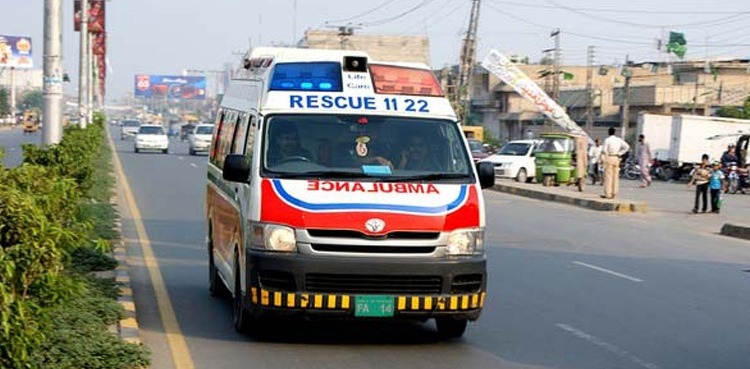
PANJGUR: In a late-night terrorist attack in the Katagari area of Gowargo Tehsil, Panjgur district, armed militants targeted the residence of Haji Zahid.
The indiscriminate firing resulted in the instant martyrdom of three individuals, while one person sustained injuries.
The deceased have been identified as Haji Zahid son of Muhammad Hussain, Jasim son of Nawab, and Saifullah son of Hayat.
The injured individual, Qudoos, was immediately shifted to the Tehsil Headquarters Hospital in Panjgur for treatment.
Security sources confirmed that an investigation into the incident is underway, and security measures in the area have been significantly tightened.
Pakistan experienced a significant surge in militancy throughout 2025, marking it as one of the deadliest years in a decade for terrorism-related violence.
The country recorded over 1,063 terrorist attacks (a 17% increase from 2024), resulting in approximately 3,387 combat-related deaths, including 2,115 militants, 664 security personnel, and 580 civilians, the highest militant fatalities since 2015 and the worst for security forces and civilians in over a decade.
The primary drivers were the Tehreek-e-Taliban Pakistan (TTP) and its affiliates, operating from sanctuaries in Afghanistan, which intensified attacks in Khyber Pakhtunkhwa (KP), recording hundreds of incidents, including suicide bombings, ambushes, and the emerging use of drones (over 85 quadcopter attacks).
Notable TTP-linked events included suicide assaults on military bases, a courthouse bombing in Islamabad killing 12, and clashes killing dozens of soldiers.
In Balochistan, the Balochistan Liberation Army (BLA) escalated separatist insurgency with high-profile operations, such as the March Jaffar Express train hijacking (killing dozens and taking hundreds hostage), targeted killings, and attacks on infrastructure and non-locals. Violence concentrated in northwestern KP and southwestern Balochistan, fueled by grievances over marginalization and cross-border safe havens.