ISLAMABAD: There is a strong likelihood of good news for the public at the start of the New Year 2026, as a significant reduction in petroleum product prices is expected.
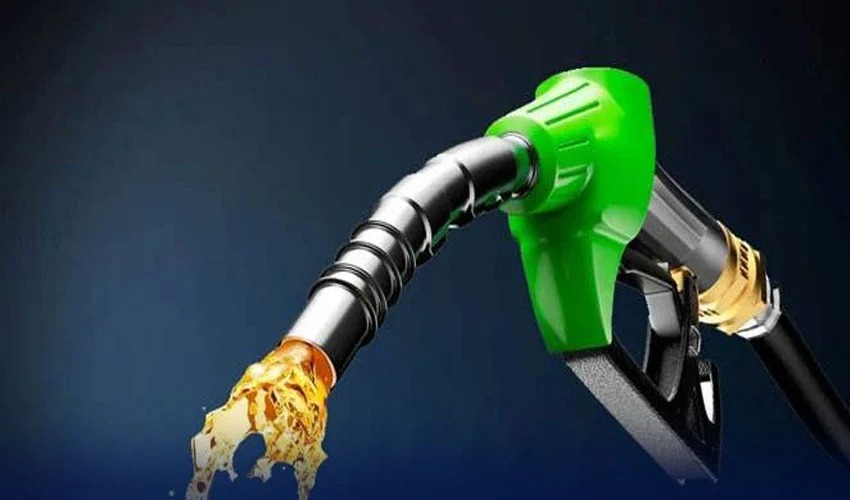
According to preliminary proposals, a decrease of Rs. 10.60 per liter in petrol prices is recommended effective from January 1.
Similarly, a reduction of Rs. 8.59 per liter in high-speed diesel prices is proposed, while a Rs. 9 per liter cut in kerosene oil prices and a Rs. 6.62 per liter reduction in light diesel oil prices are being suggested.
The working paper prepared by OGRA will soon be sent to the government.
The Ministry of Finance will make the final decision after reviewing revenue requirements, which will also require approval from the Prime Minister.
The official notification of the new prices will be issued by the Ministry of Petroleum.
If the government does not impose petroleum levy or other taxes, this reduction will directly provide relief to the public.
The expected decrease in fuel prices in Pakistan, announced ahead of January 1, 2026, stems from a combination of favorable global and domestic developments.
International crude oil prices have declined noticeably in the second half of 2025, with Brent crude settling in the range of $60–62 per barrel and WTI around $58–59 per barrel, reflecting a global supply surplus and softer demand expectations.
This drop in benchmark prices directly reduces the ex-refinery cost of petroleum products imported or refined for the Pakistani market.
At the same time, the Pakistani rupee has remained relatively stable against the US dollar in recent months, preventing the kind of sharp depreciation that previously inflated import costs and offset global price reductions.
Since fuel prices are calculated in dollars and then converted to rupees, this exchange rate stability amplifies the benefit of cheaper crude.
Another key factor is the government’s apparent decision to refrain from increasing the Petroleum Development Levy or other taxes and duties during this pricing review.
In the absence of new levies, a larger portion of the savings from lower international prices can be passed directly to consumers at the pump rather than being absorbed to meet revenue targets or IMF-related fiscal obligations.
The Oil and Gas Regulatory Authority follows a fortnightly pricing formula that incorporates the latest international product prices, freight charges, dealer margins, and exchange rates.
Recent downward adjustments in ex-refinery prices—such as petrol falling from around Rs 156 to Rs 146 per liter in mid-December created the technical basis for the proposed cuts of Rs 10.60 in petrol, Rs 8.59 in high-speed diesel, Rs 9 in kerosene, and Rs 6.62 in light diesel oil.
The final decision, which requires approval from the Ministry of Finance and the Prime Minister, balances consumer relief against the need to maintain fiscal discipline.
If no additional taxes are imposed, these reductions will translate into direct savings for households, transport operators, and industries starting from the first day of the new year.