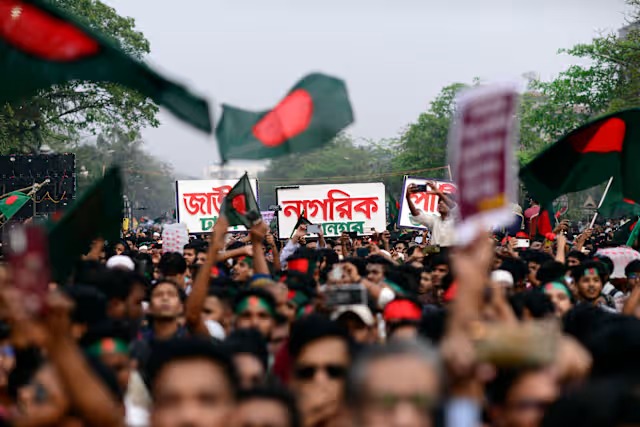
DHAKA: The student-led National Citizen Party (NCP) in Bangladesh, which emerged from the protest movement that ousted Prime Minister Sheikh Hasina, has formed an electoral alliance with the Islamist party Jamaat-e-Islami in preparation for the parliamentary election scheduled for February 12, 2026, causing divisions within its ranks.
Since the uprising last year, the NCP has positioned itself as a centrist, reform-oriented alternative to nepotism and the dominance of the traditional two-party system, but with the election approaching, the party faces challenges in converting its protest momentum into electoral support.
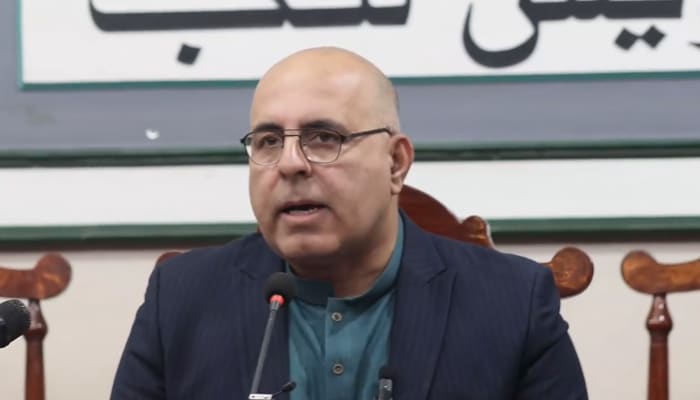
NCP leader Nahid Islam announced on Sunday that the party entered the alliance to foster greater political unity, with the final candidate list set for release on Monday.
Some NCP members have framed the move as a practical necessity in Bangladesh’s divided political environment.
The partnership with Jamaat-e-Islami has triggered significant internal discord.
Tasnim Jara, a doctor who relocated from Britain to join the NCP and rose to a leadership position, resigned on Saturday and declared her intent to run as an independent candidate.
Additional members have also departed the party.
Jamaat-e-Islami has faced longstanding criticism for opposing Bangladesh’s independence from Pakistan and its role in war crimes during the 1971 conflict.
Following years of trials, leadership restrictions, and political sidelining, the party maintains a dedicated but limited base of supporters.
Critics within the NCP argue that the alliance compromises the party’s core principles. One university student expressed that the ideological incompatibility erodes support for the NCP.
This development occurs amid shifting political dynamics, including renewed strength for the Bangladesh Nationalist Party (BNP), associated with former Prime Minister Khaleda Zia and now effectively guided by her son, acting Chairman Tarique Rahman, who returned from nearly 17 years in exile.
The February 12 election, overseen by an interim government led by Nobel laureate Muhammad Yunus following Hasina’s removal, is viewed as essential for reestablishing stability after extended political unrest.
A recent survey by the U.S.-based International Republican Institute placed the NCP third with 6 percent support, trailing the BNP at 30 percent and Jamaat-e-Islami at 26 percent.
Shakil Ahmed, a professor of government and politics at Jahangirnagar University, noted that while the alliance could influence voting patterns, it risks undermining the NCP’s aspirations to emerge as a major political force in the long term.