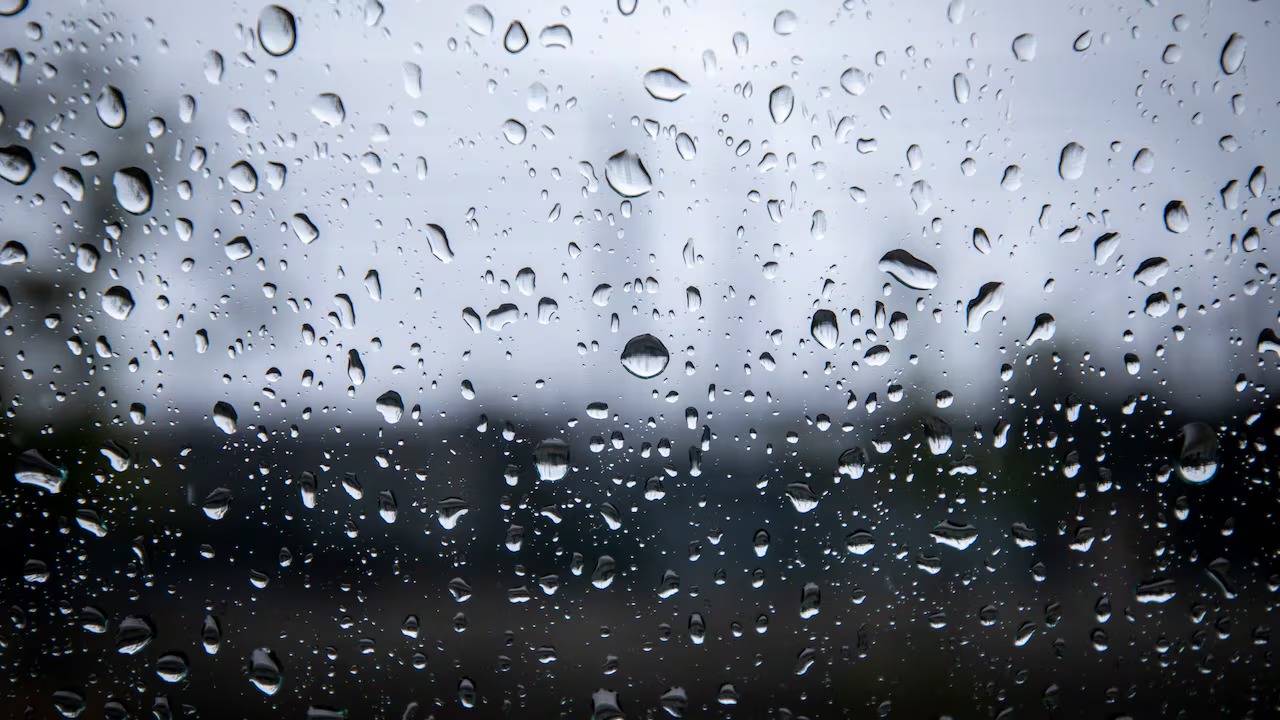
QUETTA: The weather department has forecasted rain in 23 districts of Balochistan on tomorrow.
According to the report, the rain is predicted in Northern, Central and Southern Balochistan areas.
The weather department has forecasted rains in Quetta, Ziarat, Chaman, Pishin, Qila Abdullah, Zhob, Gwadar, Kech, Khuzdar, Loralari, Killa Saifullah, Musa khel, Kharan, Turbat, Nushki and others.
Mainly dry weather has been prevailing in these areas for the past many months.
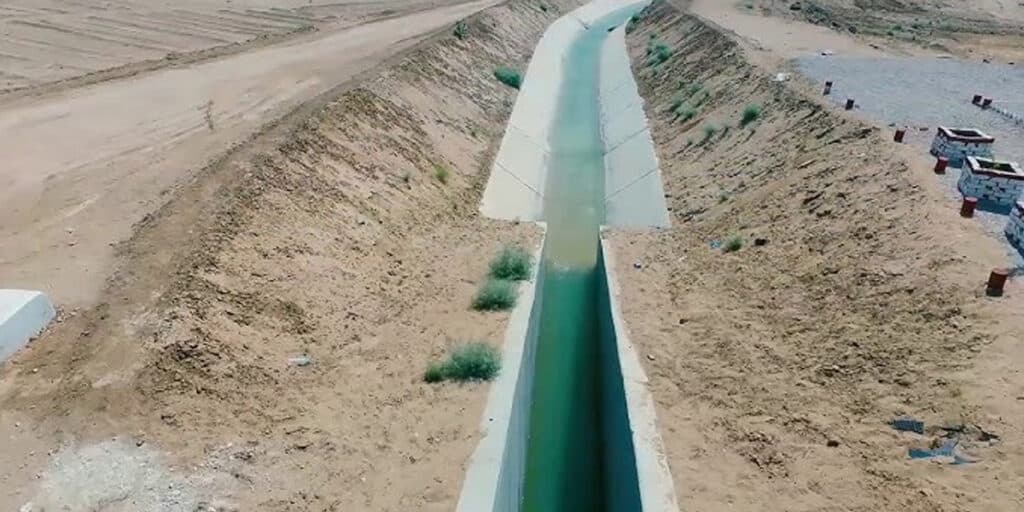
The ongoing winter season has also been dry and intense cold causing fever and shortage of water underground.
The crops in the dry and less fertile Balochistan lands have also been affected due to the long-lasting dry weather.
However, the rains will eliminate the dry atmosphere that causes diseases like flue, cough and fever.
Balochistan experiences winter rainfall primarily from westerly disturbances between December and March, contributing a significant portion of the province’s annual precipitation, especially in northern and western areas, while southern and eastern regions remain largely arid with minimal winter showers.
Rainfall patterns are highly variable and often unreliable, with many districts receiving low totals that exacerbate drought conditions in dry years.
Climate change has led to reduced and erratic winter precipitation in recent decades, increasing risks of water scarcity, agricultural stress on rain-fed crops like wheat, and soil moisture deficits, particularly in upland and arid zones.
For the current winter season (2025-2026), the Pakistan Meteorological Department forecasts near-normal to slightly below-normal rainfall overall, influenced by La Niña conditions that typically suppress western disturbances.
However, a significant westerly weather system is approaching, bringing rain-wind-thunderstorms and snowfall over hills to around 29 districts including Quetta, Ziarat, Chaman, Pishin, Qilla Abdullah, Zhob, Gwadar, Kech, Khuzdar, and others from the night of December 29, 2025, through December 31 or into early January 2026, with potential for slippery roads, reduced visibility, and travel disruptions.
This spell offers temporary relief from prevailing dry and cold conditions but highlights the province’s vulnerability to both deficits and occasional intense events.