KABUL: An aide to Abdul Haq Wasiq, the head of the Afghan Taliban’s General Directorate of Intelligence, has been killed in an explosion in Kabul.
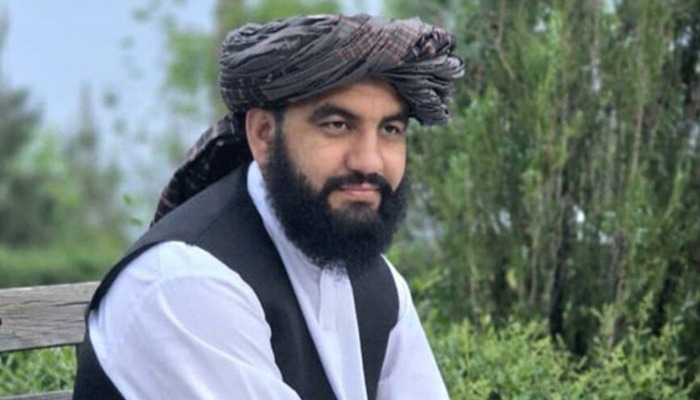
Local sources cited by Afghan media identified the deceased as Maulvi Numan (or Numan).
According to reports, the incident took place on Friday in the Botkhak area of Kabul, inside Maulvi Numan’s residence. He died on the spot from the blast, while his son sustained injuries.
Taliban authorities have yet to issue an official statement on the event or clarify the cause of the explosion.
However, there are suspicions that it resulted from explosives hidden in a gas cylinder that detonated indoors. Some sources describe the incident as suspicious.
Afghanistan has witnessed ongoing deaths across multiple groups since the Taliban takeover in 2021, with violence stemming primarily from Islamic State Khorasan Province (ISKP) attacks, internal repression, and occasional border incidents.
The Hazara Shia minority has suffered disproportionately, facing systematic targeting in mosques, buses, and civilian areas, with over 700 killed by ISKP in recent years, including notable 2024 attacks in Daikundi, Herat, and Kabul’s Dasht-e Barchi neighborhood that claimed dozens of lives.
Taliban members and officials have also been frequent victims of ISKP bombings and assassinations aimed at challenging their authority.
General civilians continue to die from explosive devices, landmines, cross-border clashes such as Pakistani airstrikes, and broader insecurity.
Former Afghan government personnel and security forces have faced extrajudicial killings, disappearances, and torture by Taliban forces, as documented by UN reports. Other minorities like Sufis and Sikhs have endured sporadic attacks on religious sites.
While overall violence has decreased from pre-2021 levels, targeted killings persist, compounded by humanitarian crises leading to indirect deaths from poverty and restricted aid, according to sources like Human Rights Watch, UNAMA, and Amnesty International through 2025.