QUETTA: In a significant push to curb maternal mortality, the Balochistan MNCH Program has launched an integrated maternal and child health initiative, piloting a new referral and emergency care system across three districts.
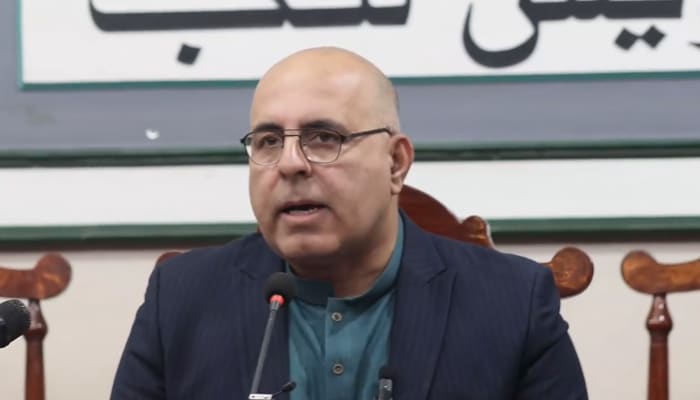
The initiative, overseen by Provincial Health Minister Bakht Muhammad Kakar and Health Secretary Mujeeb-ur-Rehman Panizai, aims to establish proactive coordination between Lady Health Workers (LHWs), Community Midwives, and Medical Emergency Response Centers (MERC). Initially implemented in Zhob, Naseerabad, and Khuzdar districts, the system is designed to eliminate the critical delays that often lead to preventable deaths.
Under the new framework, LHWs will identify and register pregnant women at the community level, linking them directly to nearby Community Midwife Birthing Stations for primary maternity care. For routine cases, midwives will monitor and manage births at their centers. Should complications arise, the system triggers an immediate response from MERC to ensure the patient is transferred swiftly to a district headquarters hospital equipped with comprehensive emergency facilities.
“This integrated system will play an important role in strengthening the continuity of maternal and child health,” stated Dr. Gul Sabeen Azam, Provincial Coordinator of the MNCH Program. She emphasized that timely identification, access, and referral can significantly reduce preventable maternal and neonatal deaths.
The pilot involves 45 community midwives and 135 lady health workers across the three districts. District health officers and midwifery school principals have participated in coordination workshops to ensure practical implementation. Based on the pilot’s success, the program plans to expand the model to other districts across Balochistan in a phased manner.
Meanwhile the National Awami Party (PKNAP) has announced a province-wide protest movement starting January 1, accusing authorities of deliberately crippling electricity infrastructure in Balochistan districts.
In a press release issued from its provincial secretariat, the party alleged a systematic dismantling of the power system. It claimed multiple feeders are being shut down, wires stripped from poles, transformers removed, and only single-phase electricity supplied—a level “completely incapable” of meeting domestic and agricultural needs.