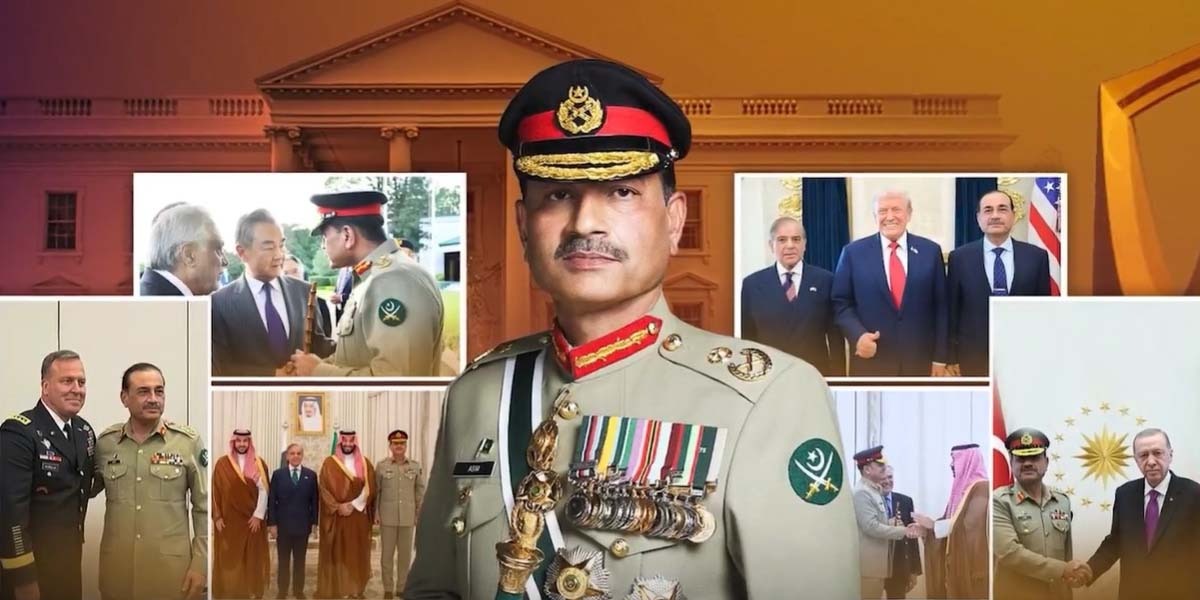
ISLAMABAD: Pakistan re-emerged as a consequential regional actor in 2025, regaining diplomatic relevance and strengthening its counterterrorism posture despite persistent political and economic challenges at home, according to an assessment published by The Diplomat.
The international affairs journal described 2025 as a turning point for Pakistan, marking a shift from years of relative marginalization to renewed strategic relevance on the global stage.
The journal identified four major developments that shaped Pakistan’s trajectory during the year.
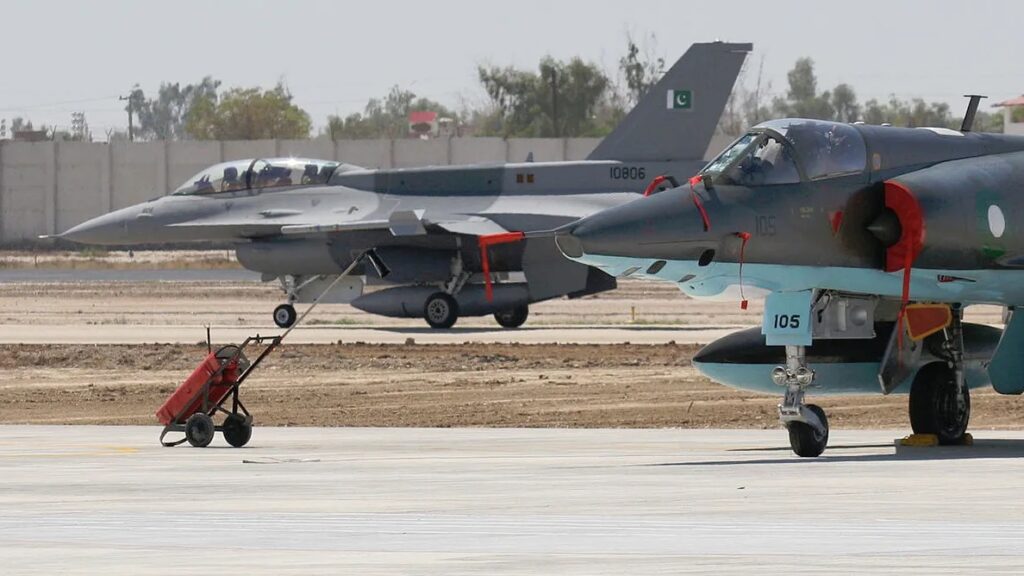
First, Pakistan restored much of its international strategic credibility following four days of intense military clashes with India in May. The confrontation highlighted Pakistan’s operational capabilities, particularly in air power, and demonstrated that its armed forces had kept pace with India’s military modernisation despite economic constraints. The Diplomat noted that this performance resonated with military planners worldwide and reinforced Pakistan’s deterrence credibility.
The clashes also reshaped Pakistan’s external relationships. Ties with the United States warmed, while New Delhi’s relations with Washington faced visible strain. In the Middle East, Pakistan formalized a mutual defense pact with Saudi Arabia, finalized a $4 billion arms deal with Libya, and entered talks with other regional states on defense cooperation. The journal also cited Pakistan’s growing counterterrorism coordination with Turkiye, including joint efforts against Islamic State-linked networks.
China, meanwhile, welcomed the battlefield validation of Chinese defense systems deployed by Pakistan. This development helped build momentum for the second phase of the China-Pakistan Economic Corridor. Pakistan also emerged as a relevant actor in discussions on Gaza’s stabilization, including possible participation in a multinational force, further reinforcing its diplomatic visibility heading into 2026.
Second, The Diplomat highlighted Pakistan’s tougher posture toward Afghanistan and adoption of sustained pressure to dismantle the Tehreek-e-Taliban Pakistan (TTP). Direct military actions and trade restrictions signaled a willingness to use hard power, sharply increasing pressure on Kabul’s fragile economy.
Pakistan also internationalised its concerns by engaging Qatar, Turkiye, and Saudi Arabia as mediators. This approach, the journal noted, reduced the Taliban’s ability to deny links with militant groups. The issuance of a decree by more than 1,000 Afghan clerics banning cross-border attacks was seen as a result of mounting regional pressure. At home, Pakistan intensified counterterrorism operations and recorded tangible gains against the TTP.
Third, the journal acknowledged Pakistan’s economic struggles, including declining foreign investment, high energy costs, and structural tax issues that continued to fuel poverty. However, it described the privatization of Pakistan International Airlines as a landmark achievement. The sale marked the country’s first major privatization in nearly two decades and signaled renewed commitment to structural reform.
Also Read: The Hindu acknowledges Pakistan’s renewed influence
Fourth, decisive state action against violent extremism, including a crackdown on Tehreek-e-Labbaik Pakistan, reflected growing intolerance for radical militancy. The army chief’s assertion that only the state can authorize jihad further reinforced this shift.