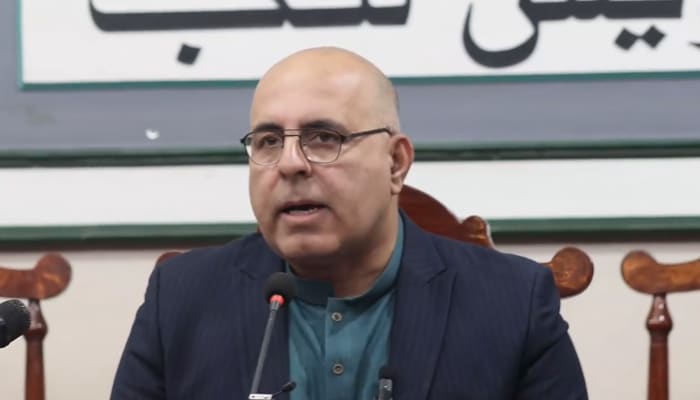
KARACHI: Sindh’s Senior Minister Sharjeel Inam Memon has announced that development projects worth Rs 1,018 billion have been approved across the province.
In a statement, he said that the approved initiatives primarily focus on the rehabilitation of flood-affected areas, along with improvements in education, healthcare, and connectivity.
He revealed that Rs 340 billion has been allocated for the reconstruction of 1,600 schools damaged by floods, while nine cadet colleges and a women’s university in Sukkur are also being established.
Sharjeel Inam Memon further stated that housing schemes for flood victims are under construction in Karachi and other cities.
He added that Rs 69.97 billion has been earmarked for the Sindh Solar Energy Project, and work is also progressing on the Ghotki–Kandhkot Bridge and the Dhabeji Industrial Zone.
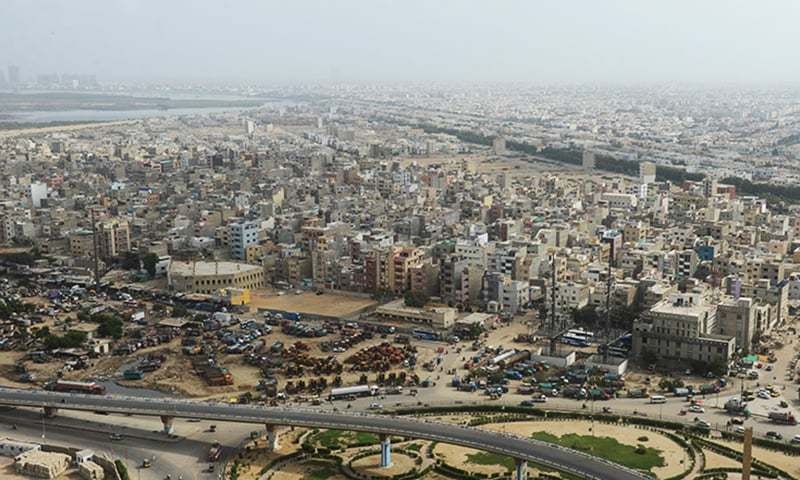
Sindh, Pakistan’s second-most populous province with over 55 million residents as of recent estimates, faces significant developmental challenges despite its economic contributions through agriculture, industry (centered in Karachi), and ports.
While urban areas like Karachi drive growth, rural Sindh lags markedly, exacerbating a stark urban-rural divide where poverty rates in rural areas are nearly double those in urban zones.
Key areas requiring urgent development include infrastructure, particularly roads and transportation networks.
Over half of provincial roads are in fair to poor condition, hindering connectivity to markets, education, and health facilities, especially in rural and flood-prone districts.
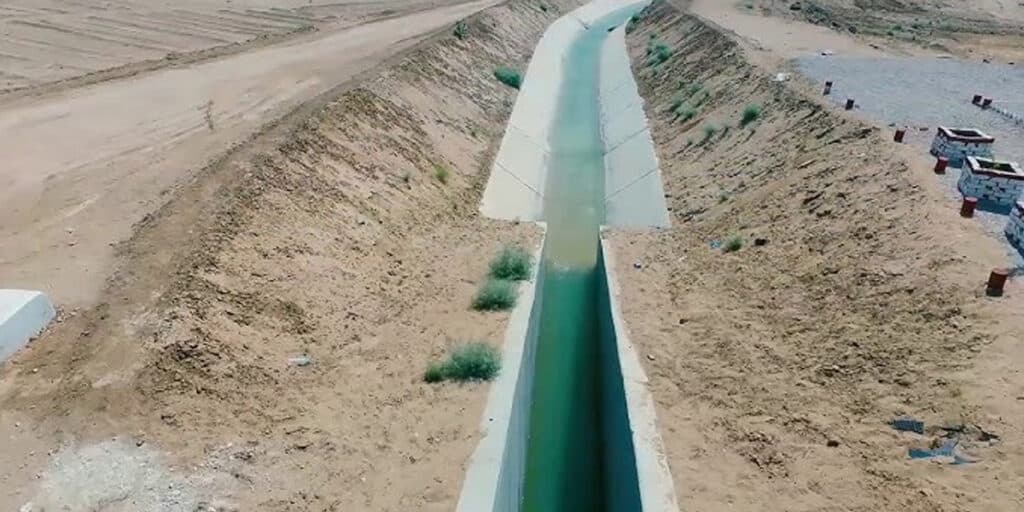
Water management and irrigation remain critical, with inefficient use leading to losses of 60-75% through evaporation and seepage, compounded by disputes over Indus River water sharing and vulnerability to climate-induced floods, as seen in the devastating 2022 events that affected millions.
Education is another priority, with low enrollment rates, damaged schools from recurrent floods, teacher absenteeism, and gender disparities keeping millions out of school, particularly girls in rural areas.
Health and nutrition issues persist, including high stunting rates (around 50%, the highest in Pakistan), maternal mortality in rural zones due to limited facilities, and malnutrition linked to poverty.
Poverty alleviation is interconnected, with rural Sindh experiencing rates up to 75% in some areas, driven by agricultural dependence, limited job opportunities, and post-disaster recovery needs.
Rapid population growth (projected to potentially double by 2050 if fertility rates remain high) strains resources further, necessitating investments in family planning, climate resilience, and sustainable agriculture.
Ongoing initiatives, supported by the provincial government, World Bank, ADB, and others, focus on rehabilitation, road improvements, water projects, and social protection, but sustained funding, better governance, and targeted rural interventions are essential for equitable progress.