DHAKA: The concerns over alleged India-sponsored terrorism have resurfaced amid claims that such activities pose a serious threat to global peace and stability.
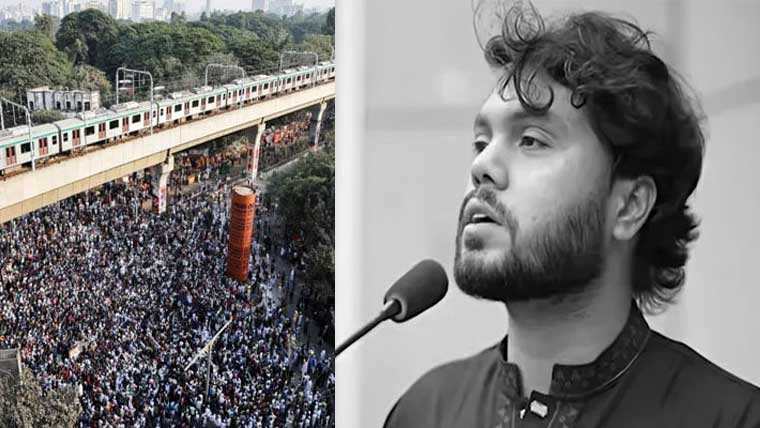
In this regard, India is accused of pursuing a policy of state-backed terrorism through its intelligence agency, the Research and Analysis Wing (RAW). These allegations have gained renewed attention following the killing of Bangladeshi youth leader Usman Hadi.
In this sense, another Bangladeshi political figure, Hasnat Abdullah, reportedly received threats allegedly linked to former Indian military personnel. Social media posts attributed to a former Indian major and a retired colonel reportedly warned Abdullah that he could be targeted next, raising alarm among political observers in Bangladesh.
Furthermore, Pakistan has repeatedly presented what it describes as evidence of Indian involvement in covert and violent activities to the international community. The officials from Pakistan maintain that India’s alleged interference in neighboring countries, combined with support for militant elements, has pushed the region closer to instability and confrontation.
Meanwhile, the security experts further argue that India’s nationalist Hindutva ideology has fueled aggressive and expansionist tendencies, which they say are no longer confined to South Asia.
So far, the recent investigations into a violent incident in Sydney reportedly confirmed the involvement of Indian nationals, adding to concerns about the international reach of extremist networks.
In 2020, Australian authorities expelled individuals allegedly linked to Indian intelligence over espionage activities. Canada and the United States have also investigated attacks and assassination plots targeting Sikh leaders, with officials in both countries publicly raising concerns about possible foreign involvement.
In addition, the former Canadian Prime Minister Justin Trudeau previously stated that his government had credible information linking Indian diplomatic personnel to disruptive activities, particularly following the killing of Sikh leader Hardeep Singh Nijjar, an incident that led to months of strained diplomatic relations between Ottawa and New Delhi.
In the United States, a plot to assassinate a Sikh separatist leader was uncovered, resulting in the arrest of an Indian national. Elsewhere, critics point to India’s historical involvement in Sri Lanka, where alleged support for Tamil militant groups contributed to decades of civil conflict.