ISLAMABAD: Pakistan on Friday accused India of manipulating Indus river flows in violation of the 1960 Indus Waters Treaty (IWT), warning that unilateral actions could heighten tensions and threaten regional peace.
The IWT, mediated by the World Bank, divides control of the Indus basin rivers between India and Pakistan. India said in April it was holding the treaty “in abeyance” after a gun attack in Indian-administered Kashmir killed more than 26 tourists. New Delhi blamed Pakistan, which denied involvement.
The treaty gives Pakistan rights to the western rivers — Indus, Jhelum, and Chenab — for irrigation, drinking water, and hydropower. India controls the eastern rivers — Ravi, Beas, and Sutlej — but must not significantly alter their flow. It can use the western rivers only for limited purposes, such as power generation, without storing or diverting large volumes.
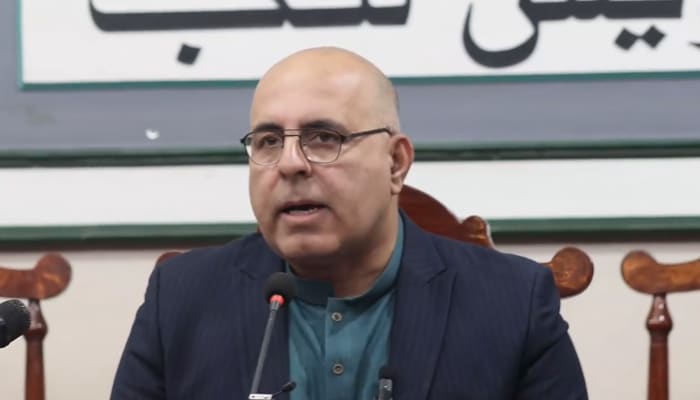
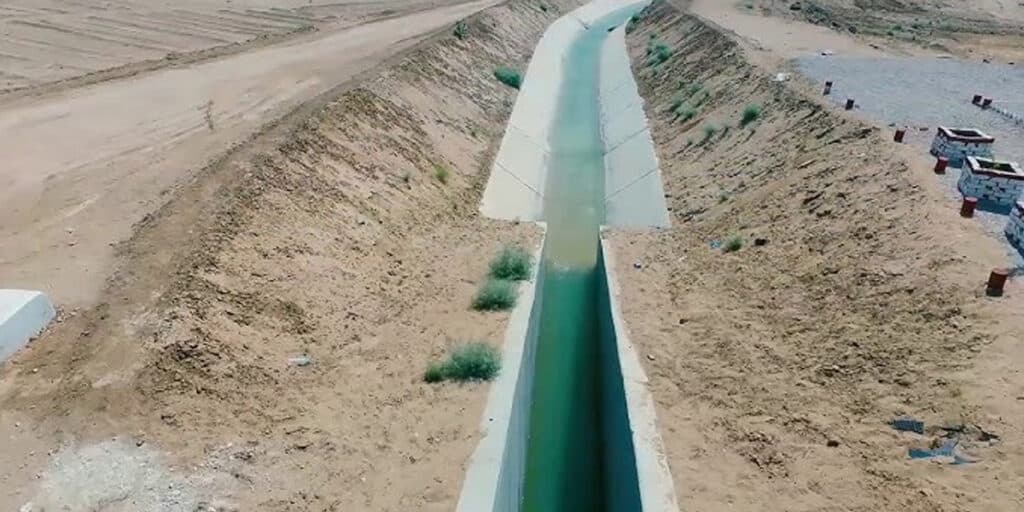
Speaking to foreign envoys, Pakistani Deputy Prime Minister Ishaq Dar accused India of “material breaches” of the IWT. He cited “unusual, abrupt variations” in Chenab river flows from April 30 to May 21 and from Dec. 7 to Dec. 15.
“These variations point to unilateral water releases by India,” he said. “India acted without prior notification or data-sharing, as required under the treaty.”
Dar said India is “weaponizing water” and has repeatedly warned the international community. He said the actions coincide with critical periods in Pakistan’s agricultural cycle, threatening lives, livelihoods, and food security.
Pakistan’s Indus Water Commissioner Mehar Ali Shah wrote to his Indian counterpart seeking clarification under treaty provisions. Dar said Islamabad expects a full response and urged India to “fulfill all obligations under the Indus Waters Treaty in letter and spirit.”
He also accused India of undermining the treaty by building hydropower dams, including Kishenganga and Ratle projects. “India is now sabotaging the treaty’s dispute resolution mechanisms by refusing arbitration and neutral expert proceedings,” he said.
Pakistan and India have long disputed hydroelectric projects on the Indus river system. Pakistan says India’s planned dams reduce river flows to its territory.
In August, the International Court of Arbitration issued a ruling on the IWT, clarifying criteria for India’s planned run-of-river hydropower projects. The court ordered India to “let flow” the western rivers for Pakistan’s unrestricted use, limiting exceptions strictly to treaty provisions.
Also Read: Pakistan welcomes Court of Arbitration’s award on Indus Waters Treaty
“Indus Waters Treaty is a binding legal instrument that has contributed to peace and stability in South Asia,” Dar said. “Its violation threatens international treaties, regional security, and principles of good neighborhood.”