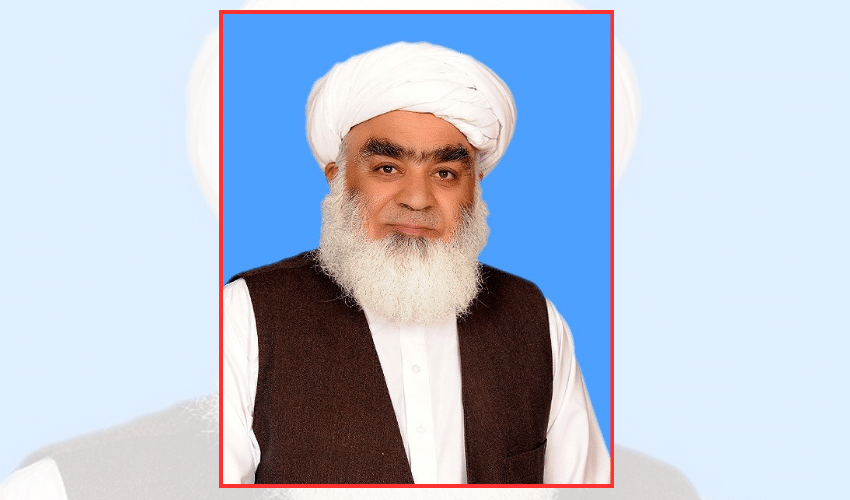
QILA SAIFULLAH: Senator Maulana Abdul Wasey, the Amir of Jamiat Ulema-e-Islam (JUI) Balochistan, asserted his party’s status as the province’s “real and established public majority party” while strongly condemning what he described as organized political conspiracies against it. Addressing the annual Dastar-e-Fazeelat (turban-tying) ceremony for graduating seminarians at religious institutions in Qila Saifullah and Loralai, he argued that these alleged tactics have violated democratic values and worsened public hardship.
Despite these challenges, Maulana Wasey claimed the JUI has remained steadfast in its mission of public service, loyalty to the state, and sacrifice. He praised the party’s workers as “more civilized, trained, and loyal” compared to others, citing their “intellectual maturity and discipline” in political movements as a model.
The senator’s address pivoted to a broader ideological message directed at the graduating students. He framed their role as crucial guardians of Islamic civilization, warning that the nation’s survival depends on transferring this heritage to new generations. Maulana Wasey issued a stark warning against the influence of Western civilization, stating it would erase Pakistan’s Islamic identity—the very reason for the country’s creation.
He urged religiously conscious youth to actively resist secular, atheistic, or doubt-spreading ideologies within educational institutions. Declaring that creating doubts about fundamental Islamic beliefs constitutes “treason against the Muslim community,” he called for unwavering vigilance to protect the nation’s ideological foundations. The speech emphasized that the issue of student education and orientation is not merely academic but a matter of Pakistan’s civilizational survival.
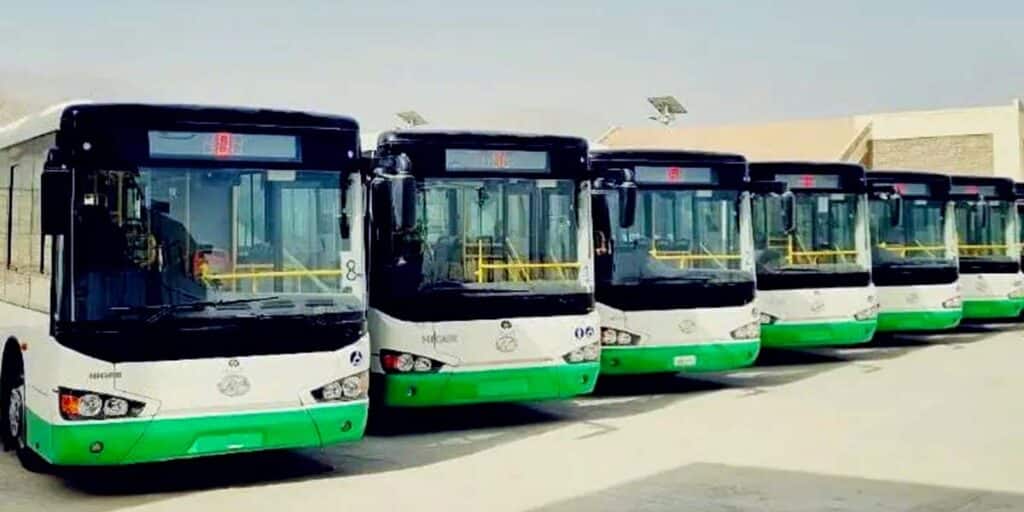
Meanwhile the Balochistan government has moved forward with a significant initiative to enhance urban mobility, focusing on improving access to critical healthcare facilities. A high-level meeting, chaired by Chief Minister Mir Sarfaraz Bugti, was convened to review the project for extending the provincial capital’s Green Bus Service to the Health Services Projects Area.
The session involved a detailed review of the expansion project’s progress, proposed new bus routes, and strategies to elevate the quality of public transport. The primary goal is to facilitate easier and more timely travel for citizens, with a special emphasis on patients, their attendants, and medical staff commuting to the major health precinct.