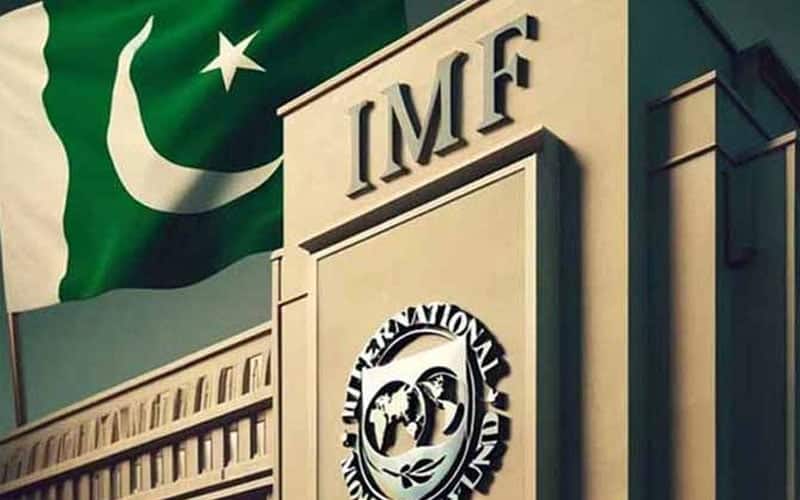
ISLAMABAD: The Finance Ministry on Sunday issued a clarification stating that the recently highlighted structural benchmarks under Pakistan’s International Monetary Fund (IMF) program are not new conditions but part of the pre-agreed, medium-term reform agenda.
The statement aimed to counter narratives describing the 11 structural targets as fresh demands. The Ministry emphasized these measures are based on reforms already initiated by the government and are being implemented in a phased manner to ensure sustainability and alignment with Pakistan’s economic priorities. The newly finalized Memorandum of Economic and Financial Policies complements the existing one to ensure continuity and depth in the reform process.
These structural goals span multiple sectors including governance, energy, and financial management. Key reforms include amending the Civil Servants Act for transparent asset declarations, strengthening the National Accountability Bureau (NAB), and enhancing anti-money laundering frameworks by granting provincial agencies access to financial data.
The government also reported progress on removing hurdles to cross-border payments, which contributed to a 26% rise in remittances in FY25. In the energy sector, reforms involve privatizing selected DISCOs and finalizing private-sector participation terms for HESCO and SEPCO. A comprehensive Federal Board of Revenue (FBR) roadmap is also underway, focusing on tax policy and compliance.
According to the IMF’s second review, eight of thirteen prior targets were met, with delays attributed to the reform process and recent floods. Officials have requested new deadlines for pending targets, asserting that overall progress remains on the right trajectory.
Meanwhile Ziaullah Langau, the Balochistan Awami Party’s (BAP) central information secretary and former interior minister, has underscored a critical security gap in the province, stating the urgent need for a full-time interior minister to address worsening law and order.
In a television interview, Langau noted that while the provincial situation has been monitored for 25 years, the past 18 months have seen distinct and faster-moving challenges. He argued that the crucial interior portfolio remains vacant, hampering the effective handling of internal security. “The presence of an interior minister is essential so that public issues and law and order… can be fully addressed,” he stated