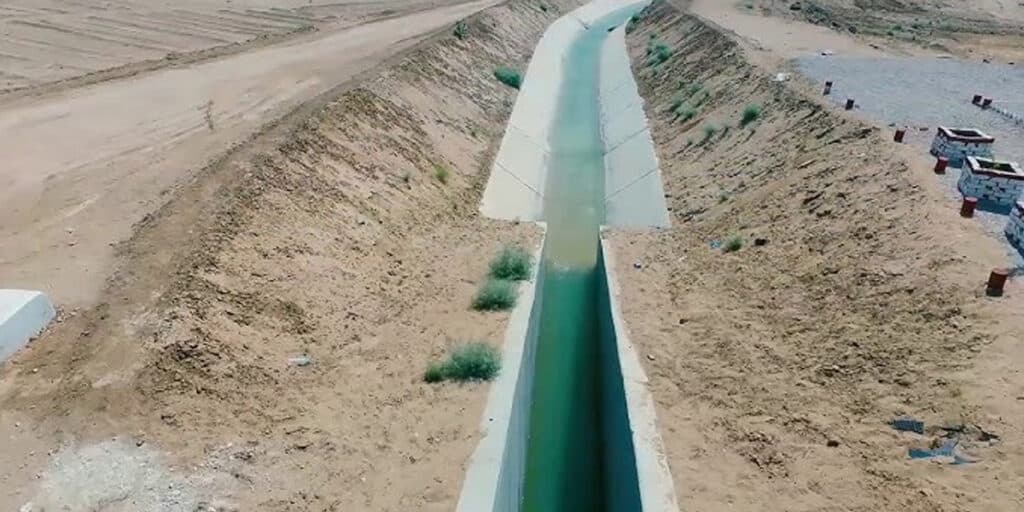
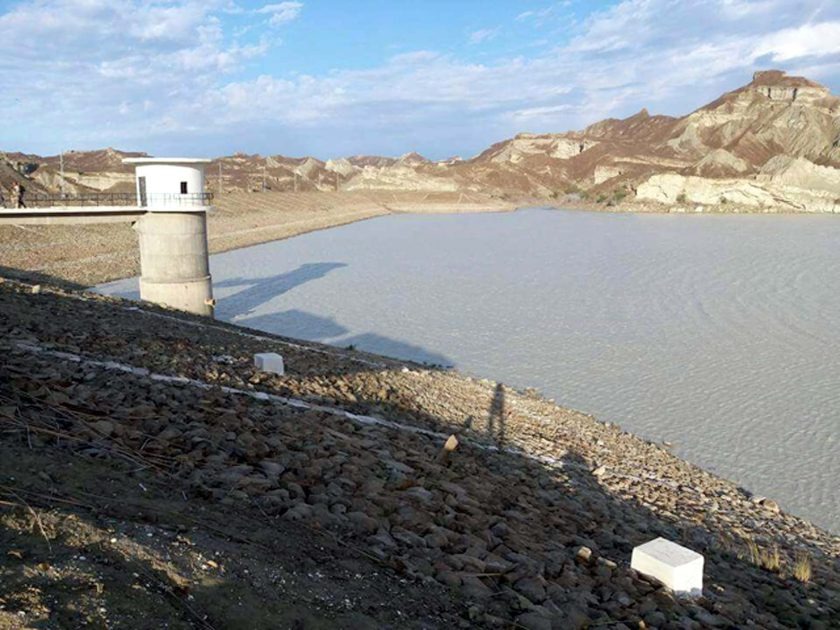
GWADAR: The Irrigation Department of Gwadar Division has invited tenders from contractors for the historic project to raise the Ankara Dam in Gwadar district.
The total estimated cost of the project has been set at PKR 1,559,573,000 (1.55 billion).
Once completed, the project will significantly increase the water storage capacity of Ankara Dam, ensuring a reliable supply of clean drinking water to Gwadar city and surrounding villages, as well as providing irrigation water for agricultural lands.
According to the Executive Engineer of the Irrigation Division, Gwadar, the entire tendering process will be conducted through the modern e-bidding system of the Balochistan Public Procurement Authority (BPRA) to ensure full transparency.
No manual bids will be accepted under this process.
Balochistan, being the largest province of Pakistan by area but arid in climate, faces severe water scarcity.
To address water management, irrigation needs, and drinking water supply, several dams and water reservoirs have been constructed and proposed across the province.
Dams in Balochistan serve multiple purposes, including irrigation, flood control, water storage, and hydroelectric power generation.
Major dams include Hub Dam, which supplies water to Karachi and surrounding areas, and Mirani Dam, which provides water for irrigation and municipal use in Gwadar, Turbat, and Kech districts.
The Surbela Dam, Karezat Dam, and Ankara Dam are other notable projects aimed at increasing water storage capacity and supporting agriculture.
These dams help mitigate the effects of droughts and provide essential water resources for communities living in arid and semi-arid regions.
New projects are continuously being planned, such as raising the height of existing dams like Ankara Dam, to expand water storage capacity and ensure a sustainable supply of drinking and irrigation water.
These initiatives are often implemented with modern technologies, including transparent tendering systems and public procurement processes, to ensure efficiency and accountability.
Despite progress, Balochistan still faces challenges like insufficient rainfall, climate change, and limited funding, which makes the construction, maintenance, and expansion of dams crucial for the province’s socio-economic development.
Properly managed dams not only secure water for households and farms but also promote agriculture, industrial growth, and overall economic stability in the region.