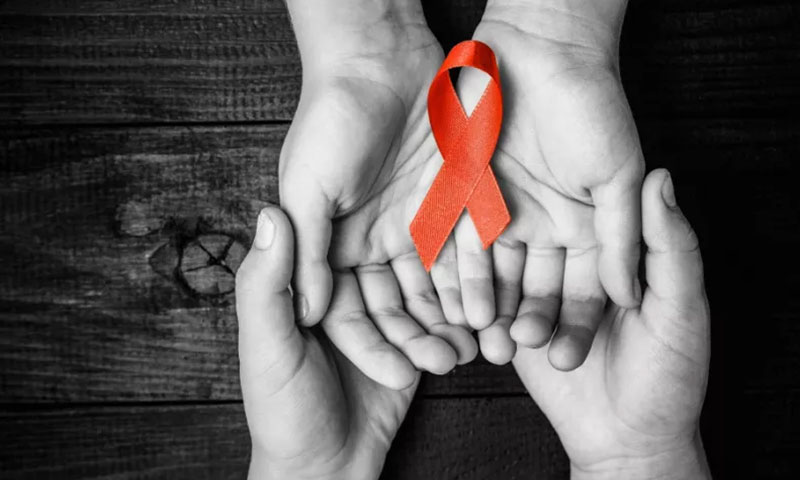
QUETTA: Balochistan has recorded a sharp rise in registered HIV/AIDS patients over the past year.
The number of patients stood at 2,851 in 2024. It increased to 3,303 by the end of 2025, showing an addition of 452 new cases in just 12 months. The same period also saw 452 deaths.
According to the Sindh AIDS Control Programme data used for national reporting, the number of infected men rose from 2,075 to 2,362. Registered women patients also increased. The transgender community recorded 90 patients.
Quetta reported the highest burden, with 2,164 cases. Turbat recorded 368, Hub 158, Naseerabad 66, and Loralai 96. Health officials say the spread is no longer limited to major cities and is now rising rapidly in smaller districts.
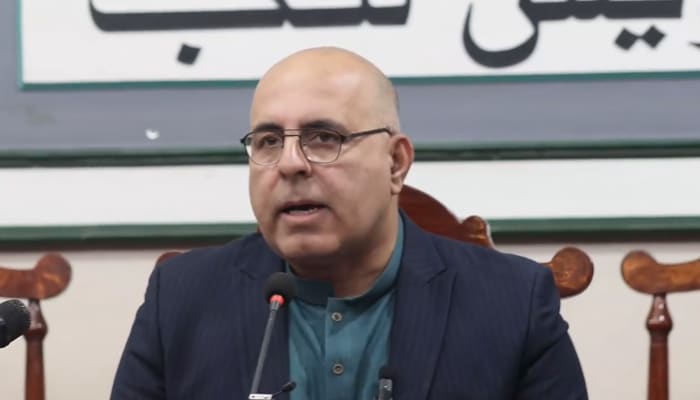
The Director of Health Services Balochistan said most infections stem from drug users who share contaminated needles. He said the number of injecting drug users rose from 600 to 707. He noted high infection rates among people who inject drugs.
He said unsafe sex, mother-to-child transmission, and contaminated medical instruments also contribute to the spread. According to him, a large segment of the population still lacks basic awareness of how the virus spreads and when testing becomes essential.
Dr. Mengal said the rising number of registered patients reflects better surveillance and increased testing, not only a wider spread of the virus. He called the willingness of people to come forward for testing a positive change, as many previously avoided diagnosis due to social stigma.
AIDS is controllable with consistent treatment
The provincial coordinator of the AIDS Control Programme Dr. Sahreen Noshirowani said deep-rooted misconceptions and stigma remain major barriers in Balochistan. She said fear of social shame prevents many patients from seeking testing, treatment, or disclosing their condition.
She stressed that community acceptance and support can improve patients’ lives and curb transmission. Dr. Noshirowani said patients can live healthy lives if they take their medicines regularly. Consistent therapy also reduces the chances of spreading the virus.
HIV therapy centres are functional in Quetta, Turbat and four other districts. These centres provide free medicines, testing, counselling, and awareness services.
Experts say Balochistan needs stronger and community-based awareness campaigns to control HIV. They call for village-level and district-level activities to educate people about safe practices, testing, and available treatment.
Health specialists say an effective response requires joint action from the government, civil society, religious leaders, and local communities, especially in a province where low literacy and limited health awareness remain major challenges.