ISLAMABAD: Pakistan has announced a comprehensive and strict strategy to combat human trafficking, coinciding with an international conference held in Islamabad where participants agreed on coordinated global action against criminal networks.
The two-day conference, focused on ending the smuggling of migrants, brought together representatives from over 30 countries, international organizations, and experts, who expressed concern over the rising threats of illegal migration.
During the event, a commitment was made to strengthen cooperation against transnational crimes under international conventions and protocols.
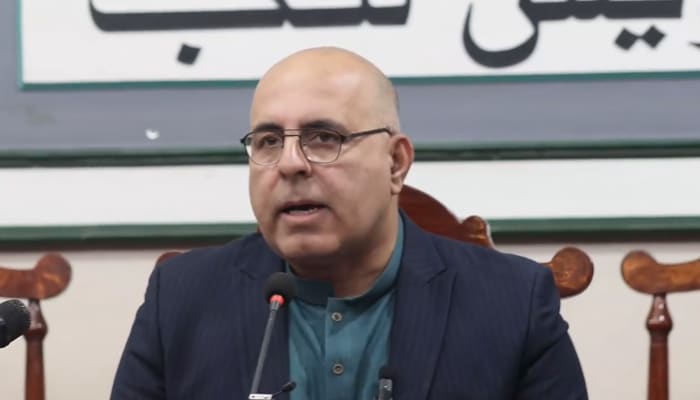
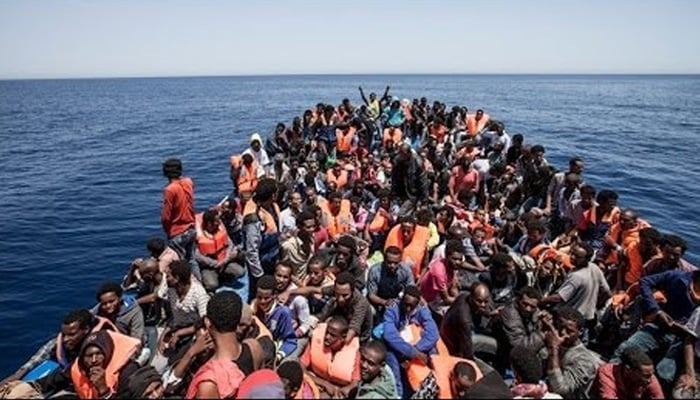
State Minister for Interior, Talal Chaudhry, highlighted that the Greek boat tragedy exposed the severity of illegal migration.
To prevent human smuggling, Pakistan has amended relevant laws and formulated a National Action Plan.
The eradication of trafficking networks requires international collaboration, and Pakistan’s efforts in this regard were widely appreciated by the participants.
The European Union pledged strong support to eliminate migrant smuggling and announced that its second international conference will be held in Brussels this December.
Human trafficking remains one of the most pressing human rights issues worldwide. It involves the illegal trade of people for purposes such as forced labor, sexual exploitation, and organ trafficking.
According to international organizations, millions of men, women, and children fall victim to trafficking every year, often lured by false promises of employment or a better life.
The crime transcends borders, with organized networks operating globally, making it a major transnational issue.
Governments, NGOs, and international bodies such as the United Nations and INTERPOL are working together to combat this menace.
Key strategies include strengthening laws, improving cross-border cooperation, raising public awareness, and providing support to victims.
Despite these efforts, human trafficking continues to thrive due to poverty, conflict, and weak enforcement in some regions, highlighting the urgent need for coordinated global action.