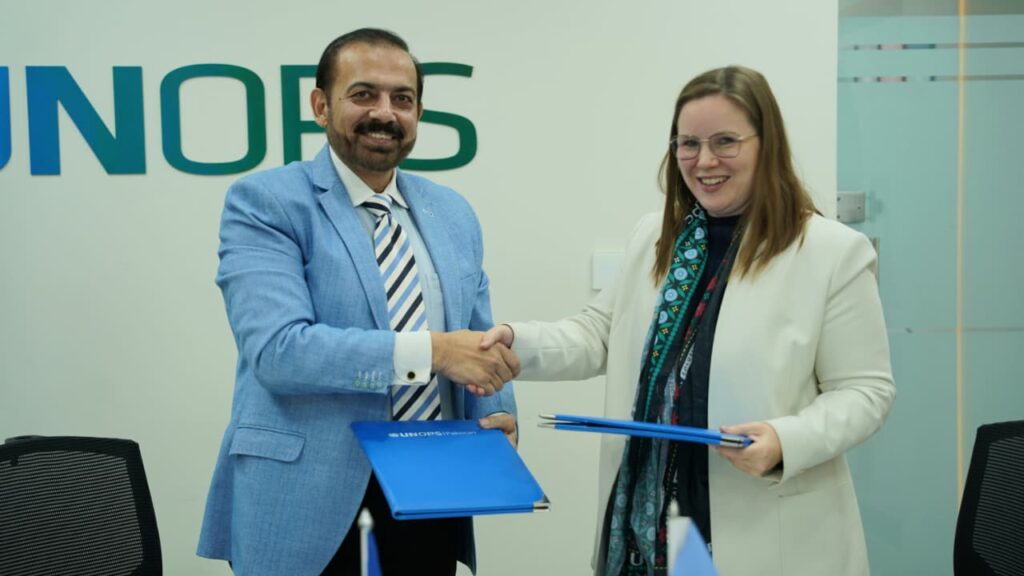
ISLAMABAD: The Coca-Cola Foundation has awarded USD 500,000 to the United Nations Office for Project Services (UNOPS) to launch a pilot project aimed at improving plastic waste collection and supporting workers in Pakistan’s PET recycling chain.
The project, titled “Sustainability & Decent Work in Pakistan’s PET Recycling Value Chain,” will run in the Islamabad Capital Territory, which produces more than 3,300 tons of municipal solid waste each day. An estimated 79 percent of that waste is recyclable.
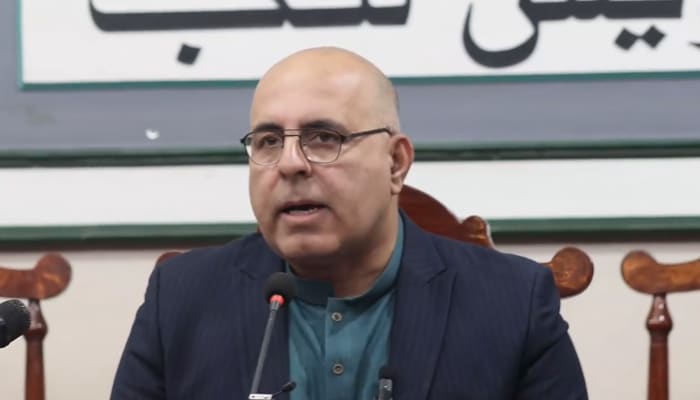
The partnership was formalized in Islamabad by Dr. Faisal Hashmi, Senior Director for Public Affairs, Communication and Sustainability at Coca-Cola Pakistan; UNOPS Pakistan Country Manager Jennifer Ankrom; and International Labour Organization (ILO) Country Director Geir Tonstol. Representatives from ILO, a key project partner, also attended.
Project activities include a detailed assessment of sector challenges, training in occupational safety and health for waste pickers and handlers, support for forming waste-picker cooperatives, and a diagnostic mapping of the PET value chain. ILO will provide expertise on labor rights, workplace safety, and formalization of informal workers.
“The collaboration with UNOPS shows The Coca-Cola Foundation’s commitment to strengthening waste collection systems and supporting the informal waste pickers who keep them running,” said Foundation President Carlos Pagoaga.
Dr. Hashmi welcomed the partnership, saying the initiative will help deliver “shared value” to local communities.
UNOPS Country Manager Ankrom said the project aims to both tackle plastic pollution and build safer, more dignified livelihoods for informal waste workers. “We are setting up a model to transform waste into opportunity,” she said.
ILO’s Tonstol stressed that improving the recycling chain requires technical solutions and a strong focus on people. He said the initiative offers a chance to promote safer working conditions and decent work practices throughout the sector.
Also Read: Balochistan implements province-wide plastic bag ban
Pakistan generates almost two million tonnes of plastic waste annually, according to WWF, and 86 percent of it is not properly managed. The pilot project is expected to inform a national framework for more sustainable and inclusive waste collection and recycling systems.