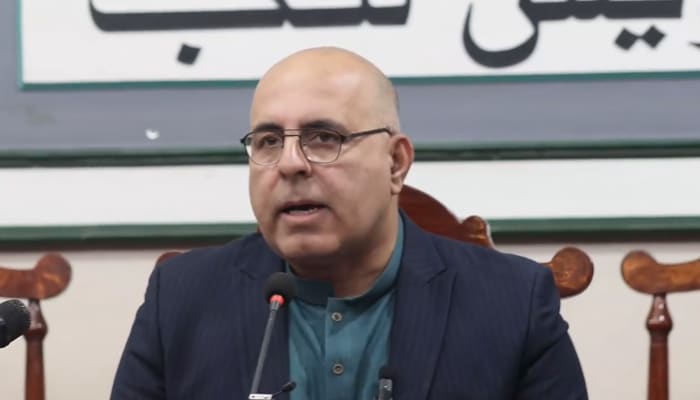

RAWALPINDI: The Anti-Terrorism Court (ATC) in Rawalpindi on Wednesday ordered the temporary custody of Alima Khan, sister of Pakistan Tehreek-e-Insaf (PTI) founder, in connection with the violent 26 November protest. Eleven suspects, including Alima Khan, are facing charges in the case.
During the hearing, Alima Khan requested the court to allow her to leave, stating that her lawyers were busy in the Supreme Court.
Prosecutor Zaheer Shah told the court that under Section 351 of the Criminal Procedure Code, Alima Khan remains under judicial custody. He added that she cannot leave without the court’s permission.
As she exited the courtroom, female law enforcement officers took her into custody. The court allowed her detention until the recording of testimonies is complete. Alima Khan’s lawyers later joined the proceedings.
The court instructed that Alima Khan must not leave the judicial premises.
Background
The case stems from a PTI-led march from Peshawar to Islamabad on November 24, 2024, demanding the release of the party founder and former Prime Minister, Imran Khan. The march was led by PTI’s Peshawar leadership, including Bushra Bibi, the former First Lady, and then Khyber Pakhtunkhwa Chief Minister Ali Amin Gandapur.
On the night of November 25, PTI supporters clashed with police and law enforcement agencies near Islamabad, leaving several officers and protesters injured.
The following day, Bushra Bibi, Ali Amin Gandapur, and other leaders left the march via Haripur toward Mansehra, while most participants returned to their homes.
Following the protest, multiple cases were registered in Islamabad and Rawalpindi against PTI leaders, including Imran Khan and Bushra Bibi, under terrorism and related charges. Allegations include damaging public and private property and blocking roads during the demonstrations.
Also Read: PTI to Seek Permission to Hold a Procession in Quetta Again
The November 24 protest and subsequent violent incidents prompted authorities to file cases under the Anti-Terrorism Act across several police stations.